
OER are increasingly vital, expanding access to knowledge and fostering innovation in higher education.
.
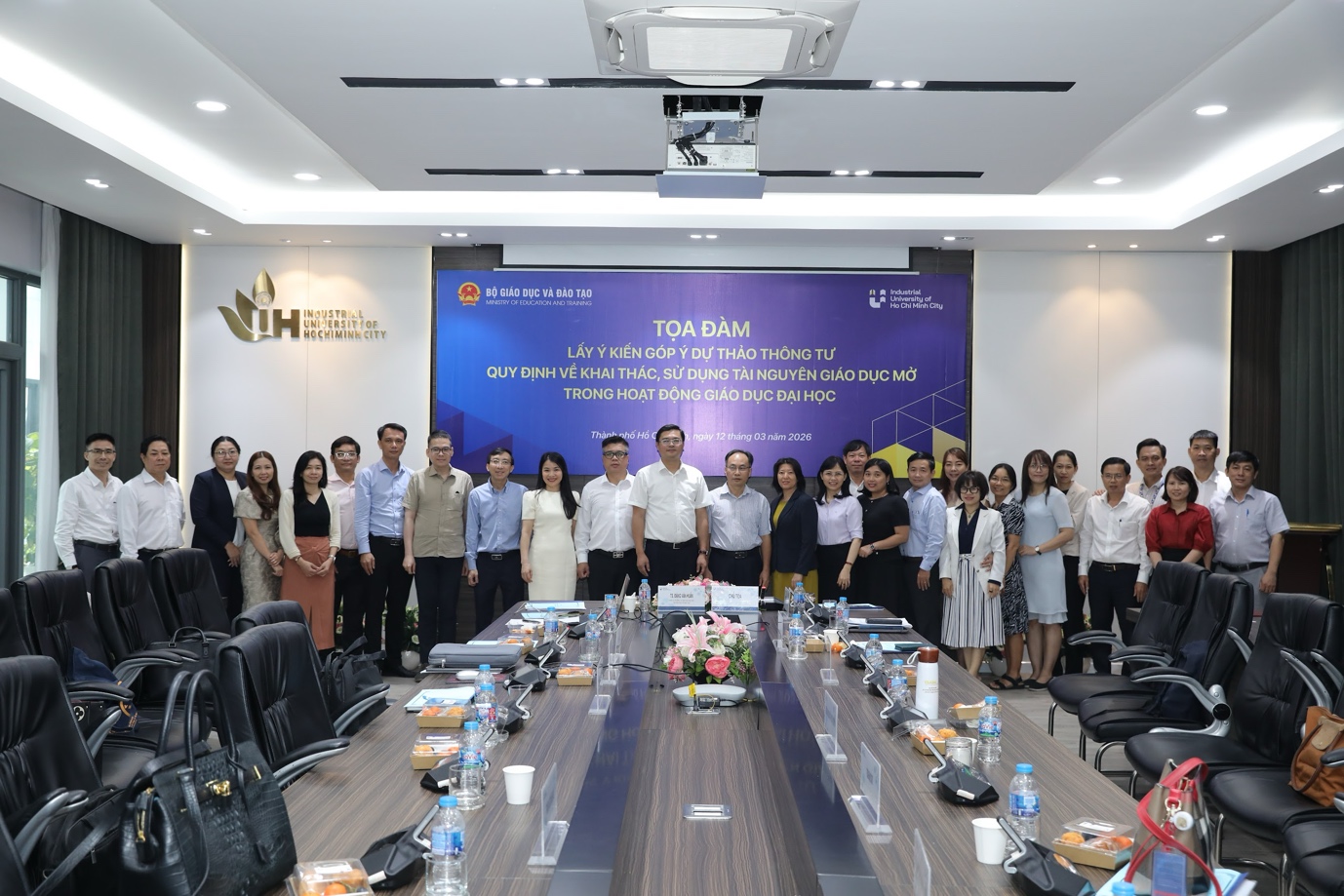
On March 12, 2026, the Ministry of Education and Training and IUH held a workshop to gather feedback from universities on the draft Circular before its promulgation.
.
On March 12, 2026, the Ministry of Education and Training and IUH held a workshop to gather feedback from universities on the draft Circular before its promulgation.
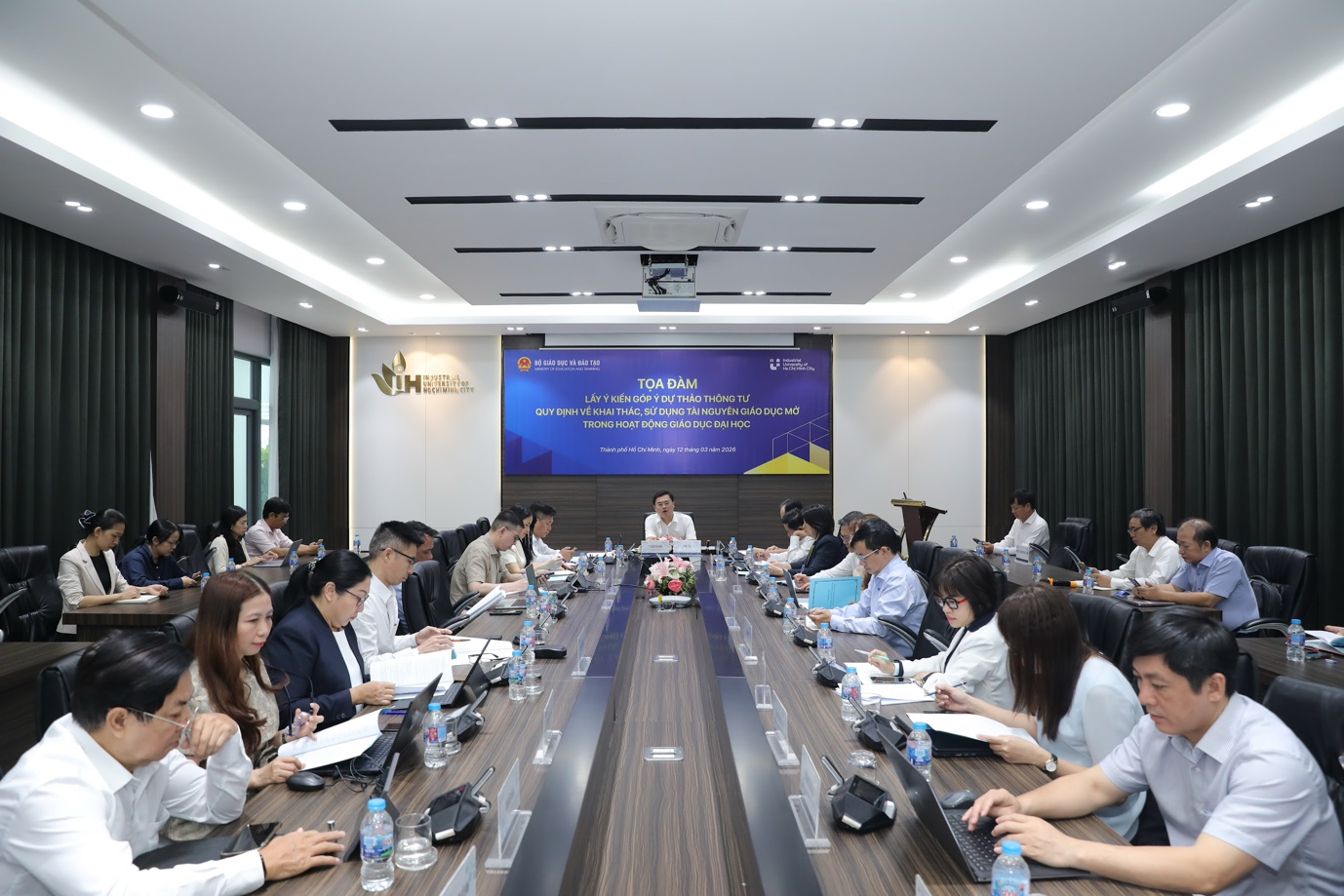
Overview of the workshop
The workshop included Mr. Đặng Văn Huấn of the Ministry of Education and Training; leaders and unit heads from the host, Industrial University of Ho Chi Minh City; and nearly 30 university representatives specializing in OER development.
According to experts, Open Educational Resources are playing an increasingly important role in knowledge sharing and supporting training activities. Effectively exploiting these learning resources not only helps learners access knowledge more conveniently but also reduces training costs and promotes a culture of lifelong learning. However, as higher education in Vietnam accelerates digital transformation and international integration, the development and use of OER also raise many issues that need further clarification. Matters related to governance mechanisms, learning resource quality standards, and copyright and authorship regulations still need to be unified for effective implementation.
Speaking at the workshop, Mr. Đặng Văn Huấn, Deputy Director General of the Department of Higher Education, stated that the Circular is being developed to establish a clear legal framework that enables higher education institutions to be more proactive in building, exploiting, and sharing Open Educational Resources. “In the context of rapid digital transformation in education, Open Educational Resources will become one of the key foundations for expanding learning opportunities for learners. However, the development of OER must be accompanied by specific regulations on implementation, quality control, and the protection of intellectual property rights,” Mr. Huấn shared.
Mr. Đặng Văn Huấn, Deputy Director General of the Department of Higher Education, speaks at the workshop.
The workshop included Mr. Đặng Văn Huấn of the Ministry of Education and Training; leaders and unit heads from the host, Industrial University of Ho Chi Minh City; and nearly 30 university representatives specializing in OER development.
According to experts, Open Educational Resources are playing an increasingly important role in knowledge sharing and supporting training activities. Effectively exploiting these learning resources not only helps learners access knowledge more conveniently but also reduces training costs and promotes a culture of lifelong learning. However, as higher education in Vietnam accelerates digital transformation and international integration, the development and use of OER also raise many issues that need further clarification. Matters related to governance mechanisms, learning resource quality standards, and copyright and authorship regulations still need to be unified for effective implementation.
Speaking at the workshop, Mr. Đặng Văn Huấn, Deputy Director General of the Department of Higher Education, stated that the Circular is being developed to establish a clear legal framework that enables higher education institutions to be more proactive in building, exploiting, and sharing Open Educational Resources. “In the context of rapid digital transformation in education, Open Educational Resources will become one of the key foundations for expanding learning opportunities for learners. However, the development of OER must be accompanied by specific regulations on implementation, quality control, and the protection of intellectual property rights,” Mr. Huấn shared.
Mr. Đặng Văn Huấn, Deputy Director General of the Department of Higher Education, speaks at the workshop.

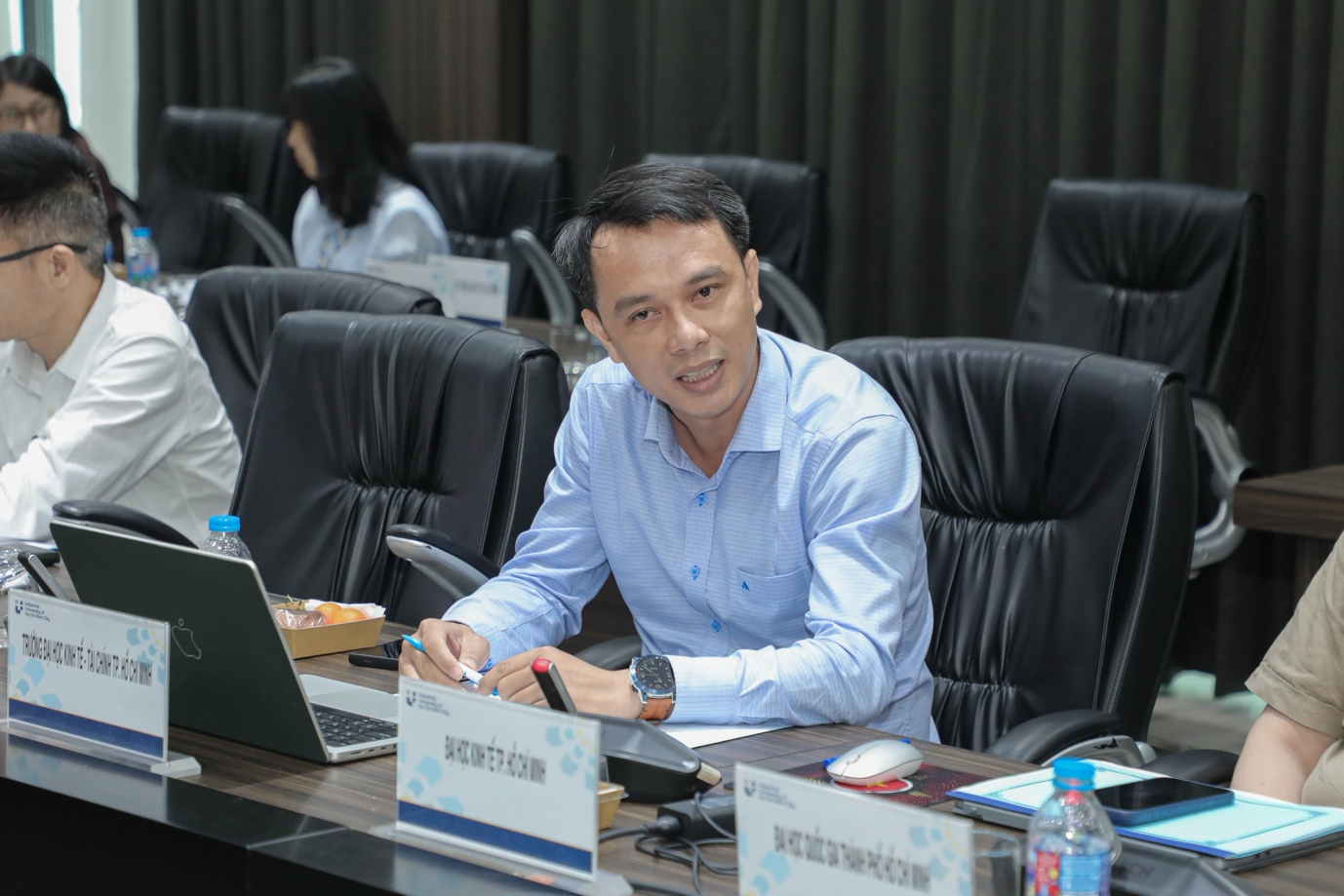
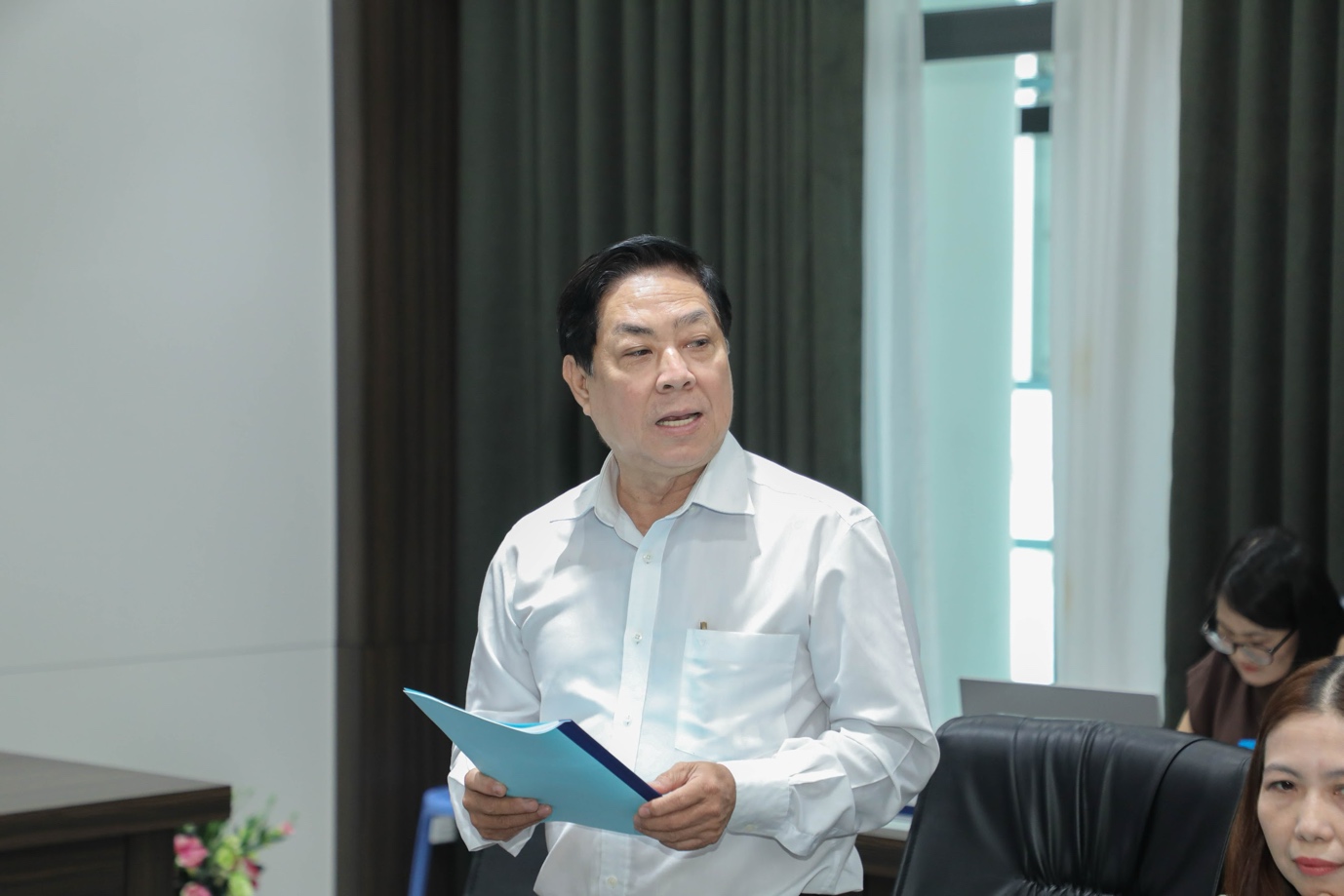
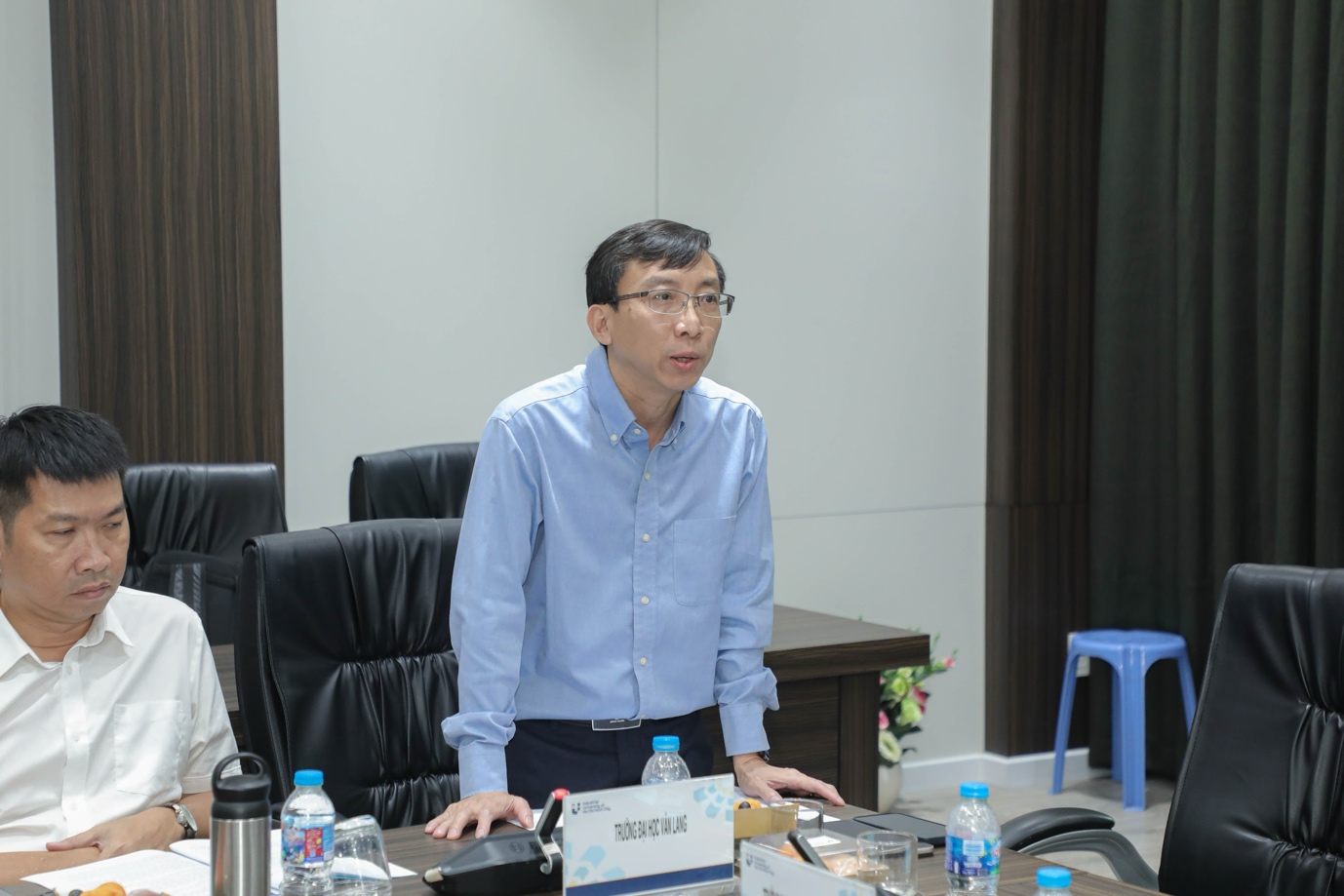
Moving into the collaborative feedback segment, many delegates from universities contributed opinions on the key contents of the draft, focusing in particular on clarifying the responsibilities of educational institutions in developing, exploiting, and sharing Open Educational Resources.
Prof. Dr. Huỳnh Trung Hiếu emphasized that OER should be integral to learning materials, supporting open education and lifelong learning. He highlighted the need for governance mechanisms that encourage sharing while ensuring quality and authorship rights.
Prof. Dr. Huỳnh Trung Hiếu, Standing Vice Chairman of the Scientific and Academic Council of the Industrial University of Ho Chi Minh City, speaks at the program.
Prof. Dr. Huỳnh Trung Hiếu emphasized that OER should be integral to learning materials, supporting open education and lifelong learning. He highlighted the need for governance mechanisms that encourage sharing while ensuring quality and authorship rights.
Prof. Dr. Huỳnh Trung Hiếu, Standing Vice Chairman of the Scientific and Academic Council of the Industrial University of Ho Chi Minh City, speaks at the program.

Prof. Dr. Huỳnh Trung Hiếu, Standing Vice Chairman of the Scientific and Academic Council of the Industrial University of Ho Chi Minh City, speaks at the program.
In practice, many higher education institutions in Vietnam have begun developing and utilizing open learning resources; however, implementation remains inconsistent. A few issues, such as concepts, scope of application, operating mechanisms, and copyright-related regulations, are still interpreted differently.
The Ministry of Education and Training’s development of the draft Circular and the collection of feedback are expected to help complete the legal framework, thereby creating favorable conditions for educational institutions to effectively develop Open Educational Resources systems and promote innovation in higher education in the context of digital transformation.
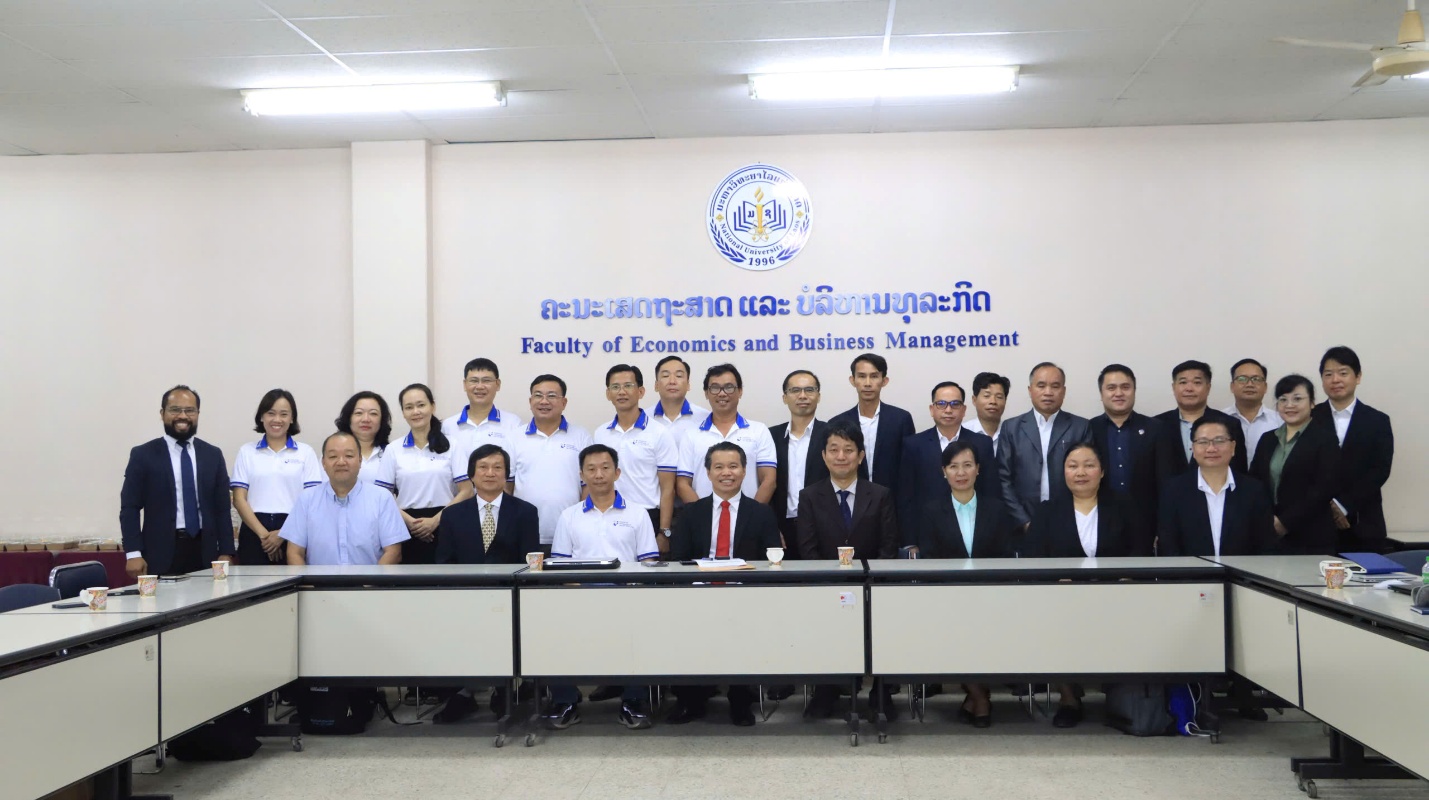
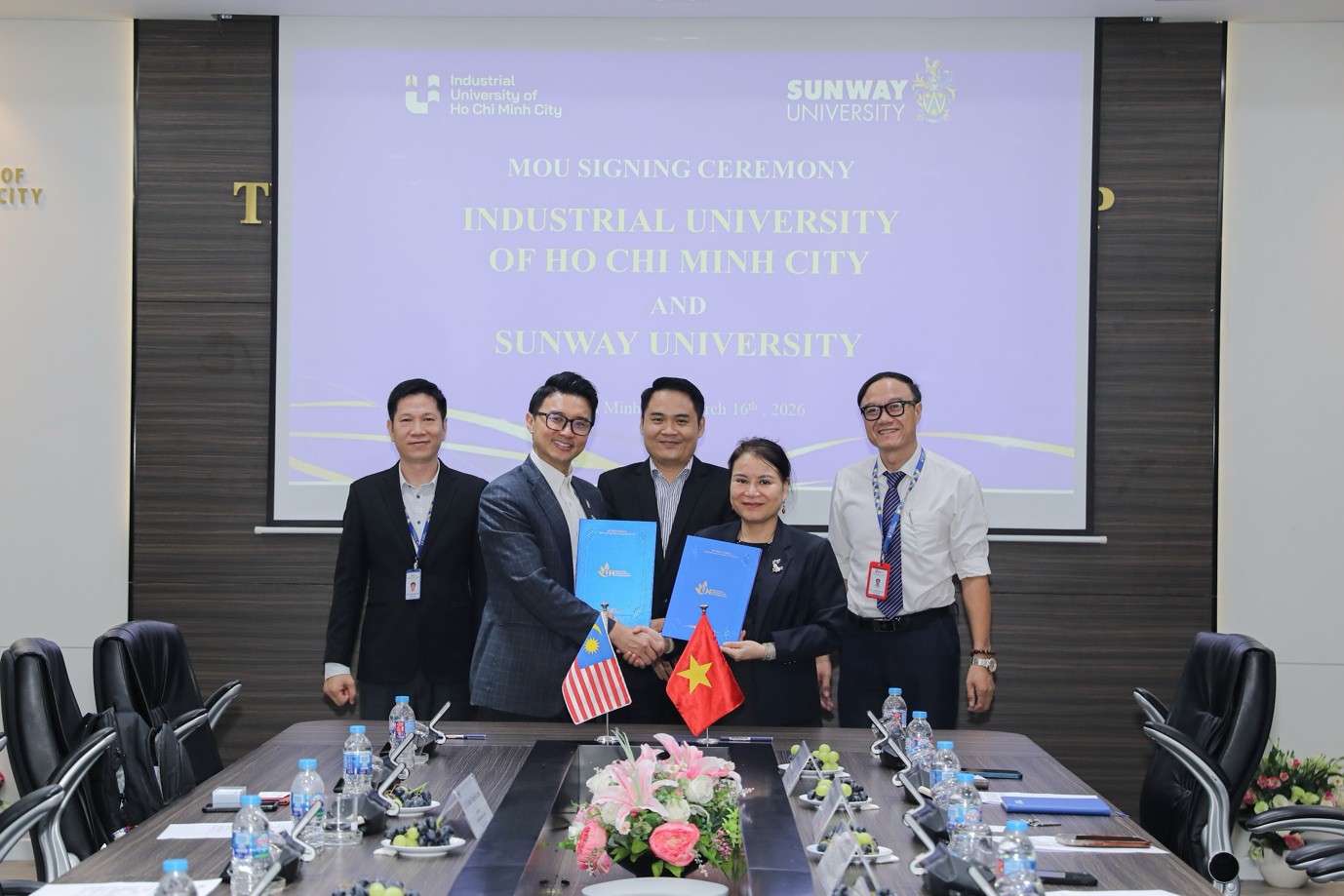
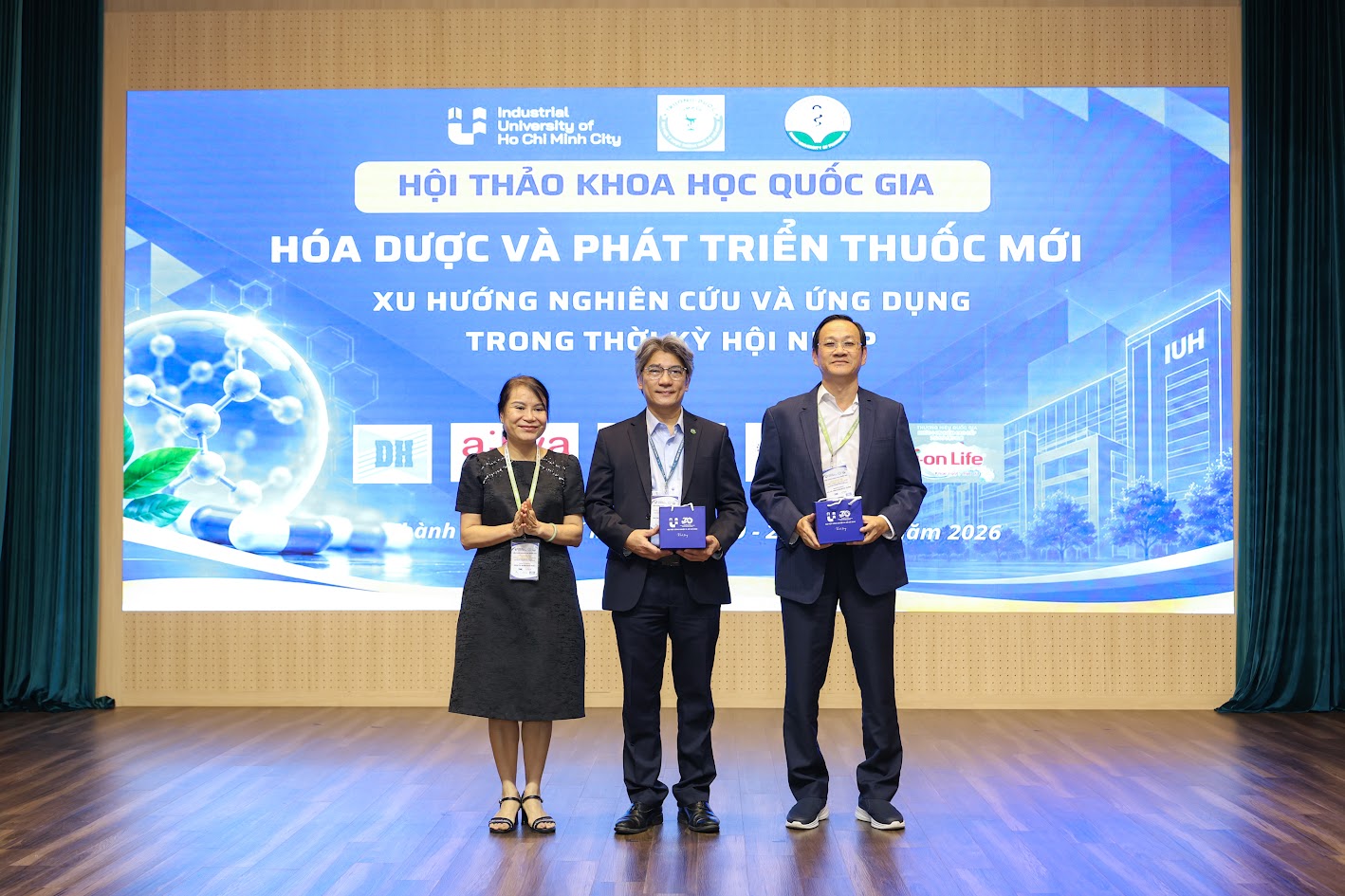
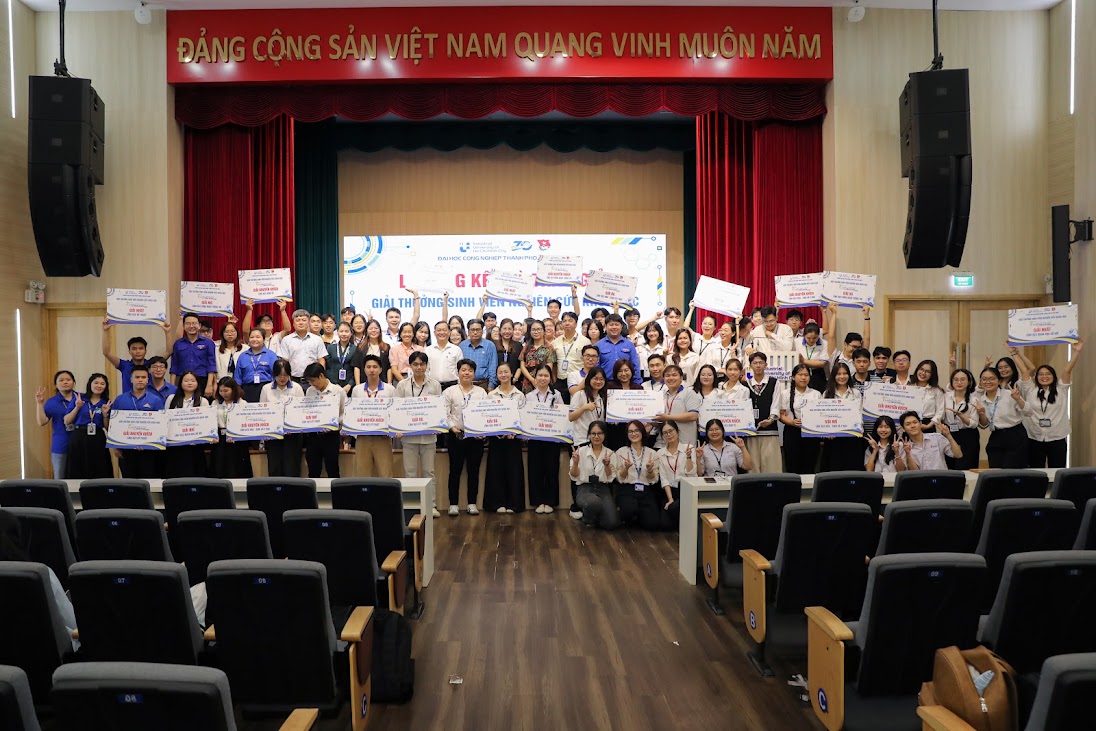
Some photos from the program:
The Ministry of Education and Training’s development of the draft Circular and the collection of feedback are expected to help complete the legal framework, thereby creating favorable conditions for educational institutions to effectively develop Open Educational Resources systems and promote innovation in higher education in the context of digital transformation.
Some photos from the program: