
General Introduction:
The Department of Civil Engineering was established on August 15, 2015 as a unit directly under the University Board of Management. On December 12, 2016, the President of the Industrial University of Ho Chi Minh City issued Decision No. 2370/QD-DHCN establishing the Faculty of Civil Engineering based on the upgrade of the Department of Civil Engineering.
Functions and Responsibilities:
The Faculty of Civil Engineering is responsible for training highly qualified human resources in the fields of construction engineering; conducting scientific and technological research; promoting international cooperation in a professional environment; and establishing collaborative relationships with scientific organizations, production facilities, and enterprises related to the construction industry across the country.
Training Programs:
Currently, the Faculty of Civil Engineering offers undergraduate training programs in two majors.
- Civil Engineering: training engineers specializing in Civil and Industrial Construction.
- Transportation Construction Engineering: training engineers specializing in Bridge and Road Construction.
The training duration is 4.5 years (9 semesters). The training programs are quality-assured according to the international AUN-QA standards (ASEAN University Network – Quality Assurance).
Students are equipped with fundamental knowledge in management, science and technology, politics, and law, together with in-depth professional knowledge in the field of construction. They are trained with strong practical skills and a high sense of professional responsibility, enabling them to meet the demands of employers and the need for highly skilled technical labor in different stages of national development and international integration. After graduation, students receive the Engineer degree and have numerous career opportunities in companies, enterprises, government management agencies, research institutes, and educational institutions within the construction sector. In addition, graduates have sufficient qualifications to pursue higher levels of education.
Human Resources:
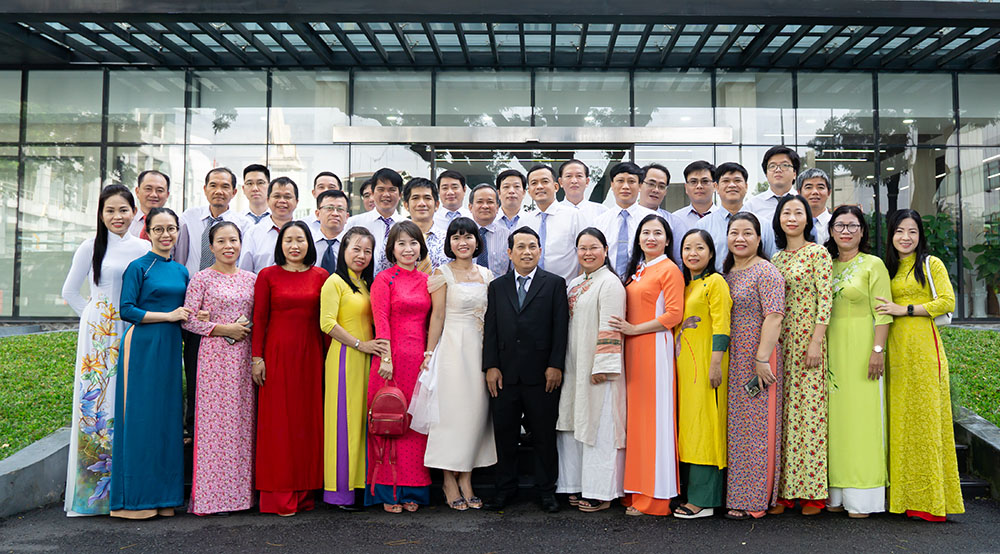
The Faculty has a team of highly qualified lecturers with extensive teaching experience and strong dedication to their profession. All current lecturers hold postgraduate degrees, with more than 70% possessing doctoral qualifications.
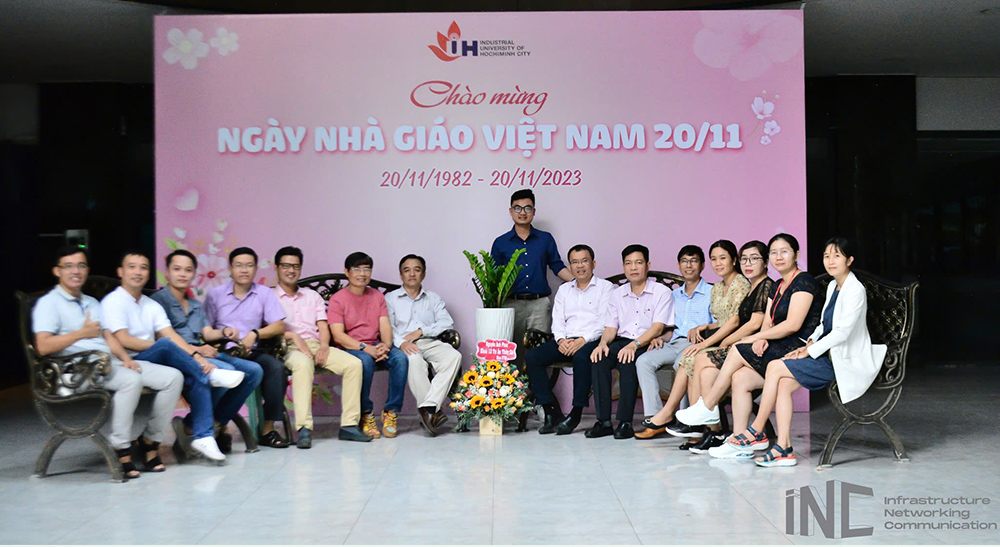
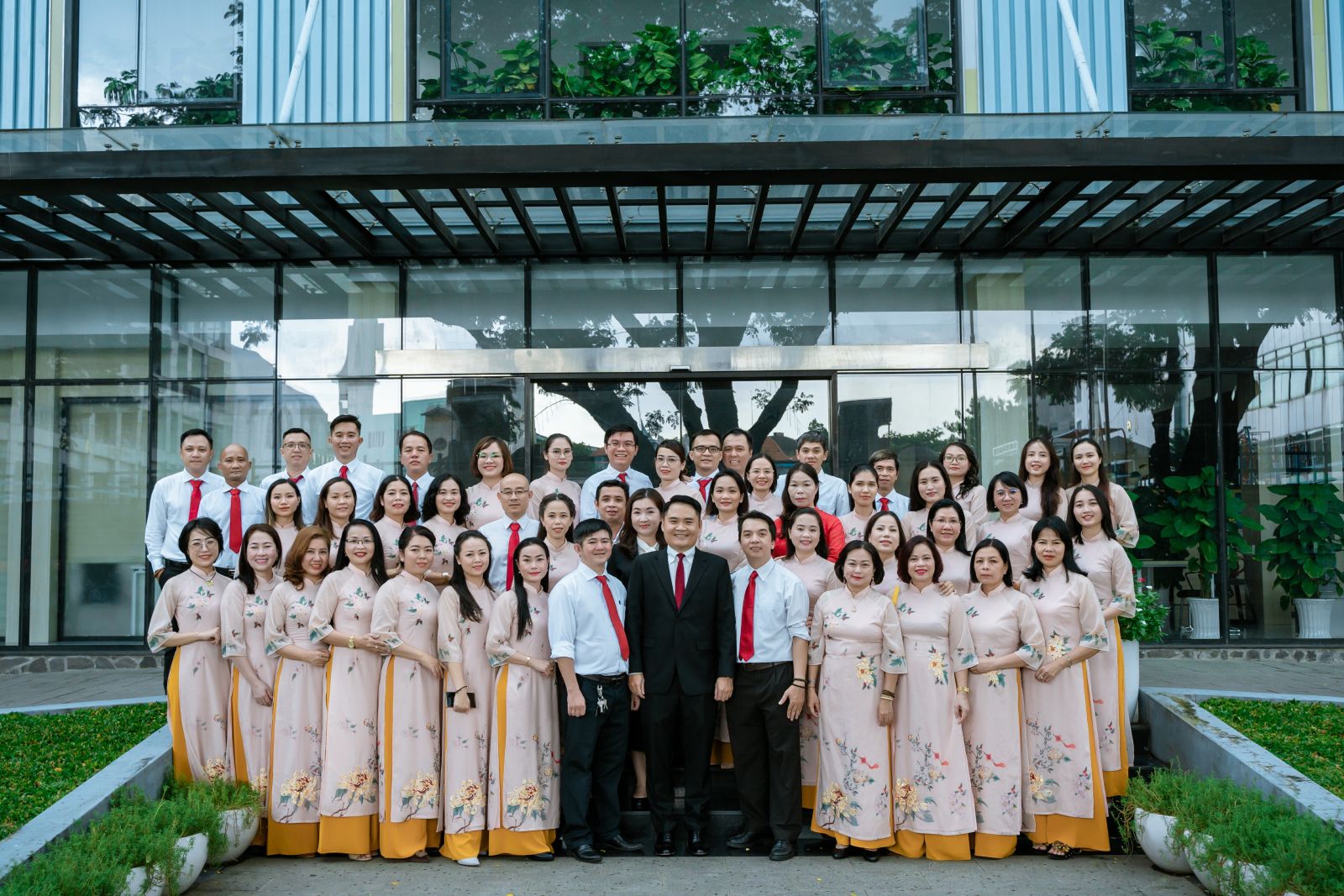
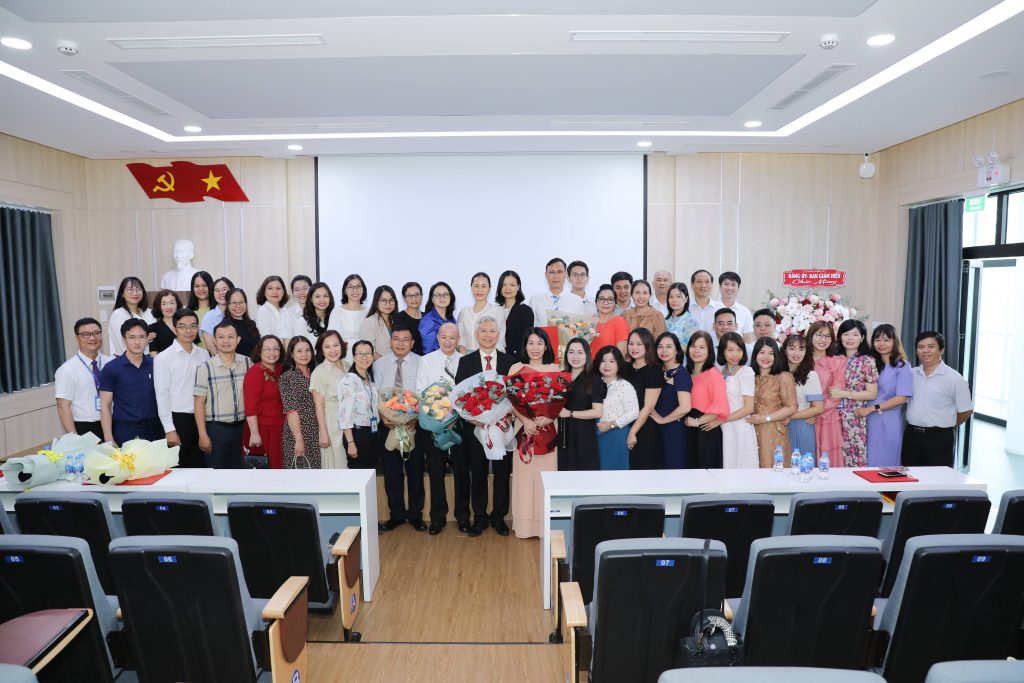
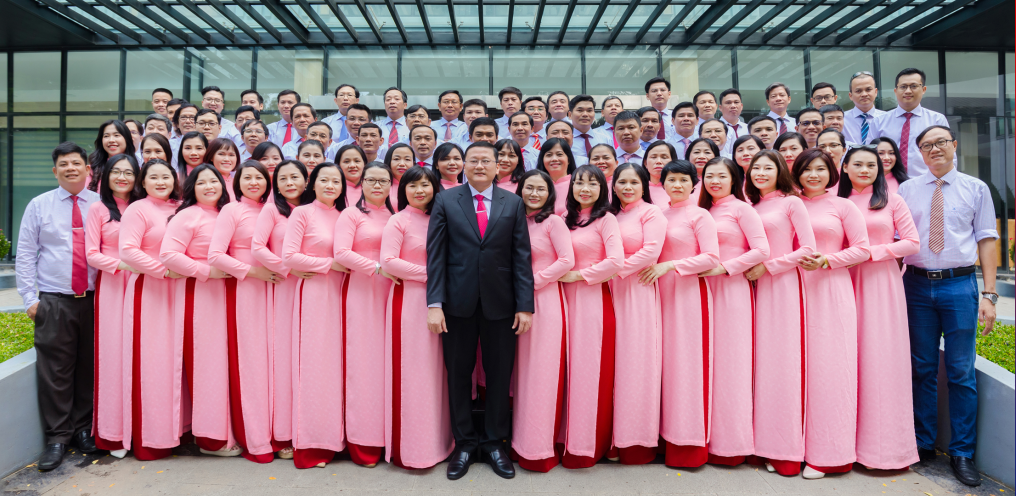
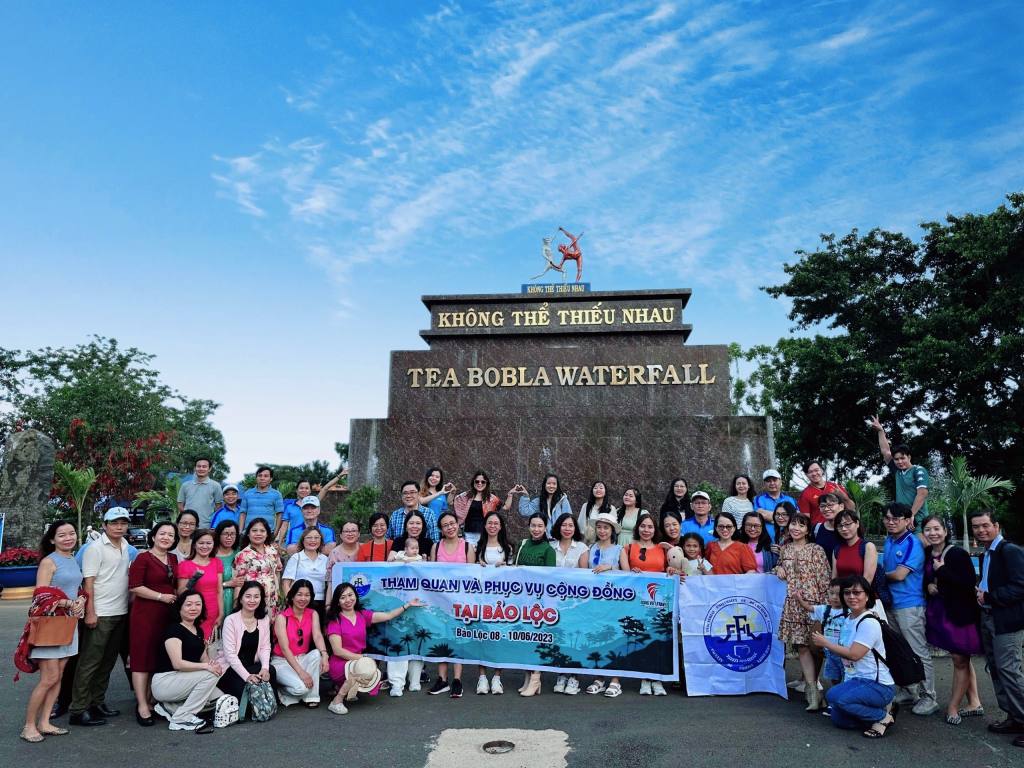
Faculty members of the Faculty
Development Orientation:
- Training: continue diversifying academic majors, improving training quality and scale to better meet the demand for high-quality human resources and gradually expand to higher-level education programs. Training programs are regularly improved and updated to keep pace with industry development and international integration.
- Faculty and facilities development: develop strategic plans to enhance both the quantity and quality of the academic staff, implement policies to attract highly qualified lecturers, and continuously upgrade facilities to effectively support teaching and scientific research activities.
- Scientific research, technology transfer, and international cooperation: continue promoting research toward international publications, expand technology transfer activities and services such as design consulting and testing, and strengthen international cooperation with universities worldwide in training and research activities.