

Introduction
The Office of Academic Affairs was established in 1994, when the institution was known as Industrial Technical Secondary School No. IV, under the Ministry of Industry. Since then, the Office has played an essential role in managing and organizing the University’s training and academic activities.
Functions and Responsibilities
The Office advises and assists the Rector in managing, coordinating, and implementing the University’s academic and admissions activities.
Its key responsibilities include:
-
Developing educational objectives and academic programs, and organizing, monitoring, and evaluating teaching and learning activities;
-
Advising the Rector on political and ideological education, as well as the management of students across undergraduate and sub-degree programs;
-
Advising on strategies for academic development;
-
Developing and issuing academic management regulations and documents;
-
Organizing the development and management of curricula and teaching materials for undergraduate and college programs;
-
Organizing admissions for undergraduate and sub-degree programs;
-
Developing and managing teaching schedules and academic plans;
-
Managing students’ learning processes and academic results;
-
Managing the printing and issuance of diplomas and certificates;
-
Supporting the management of training budgets;
-
Maintaining, developing, and providing technical support for academic management software systems used by relevant units.
Personnel
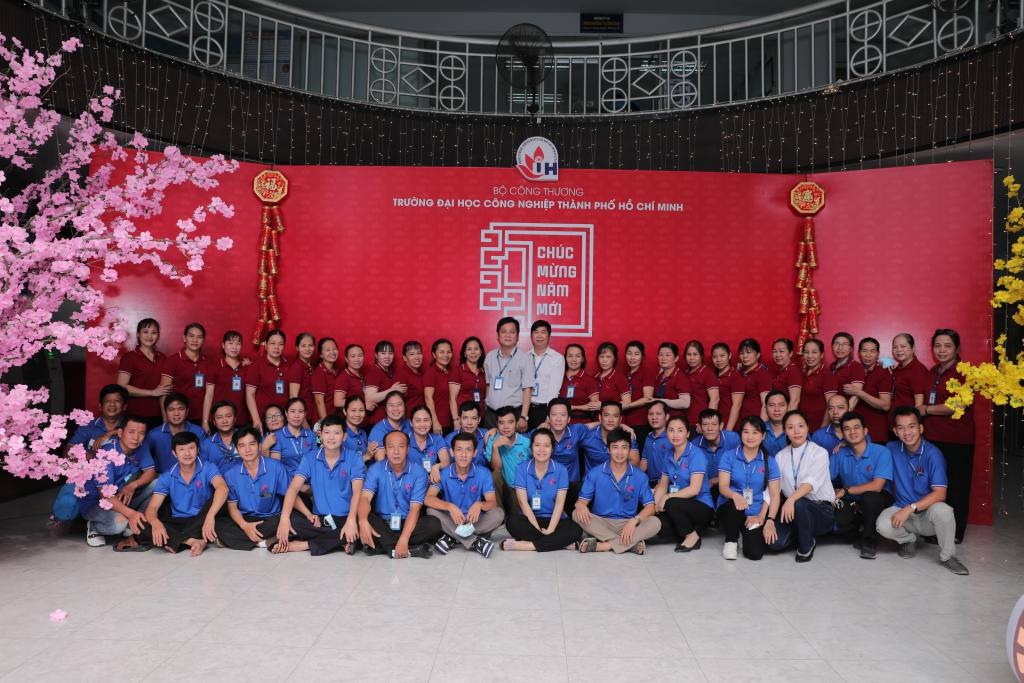
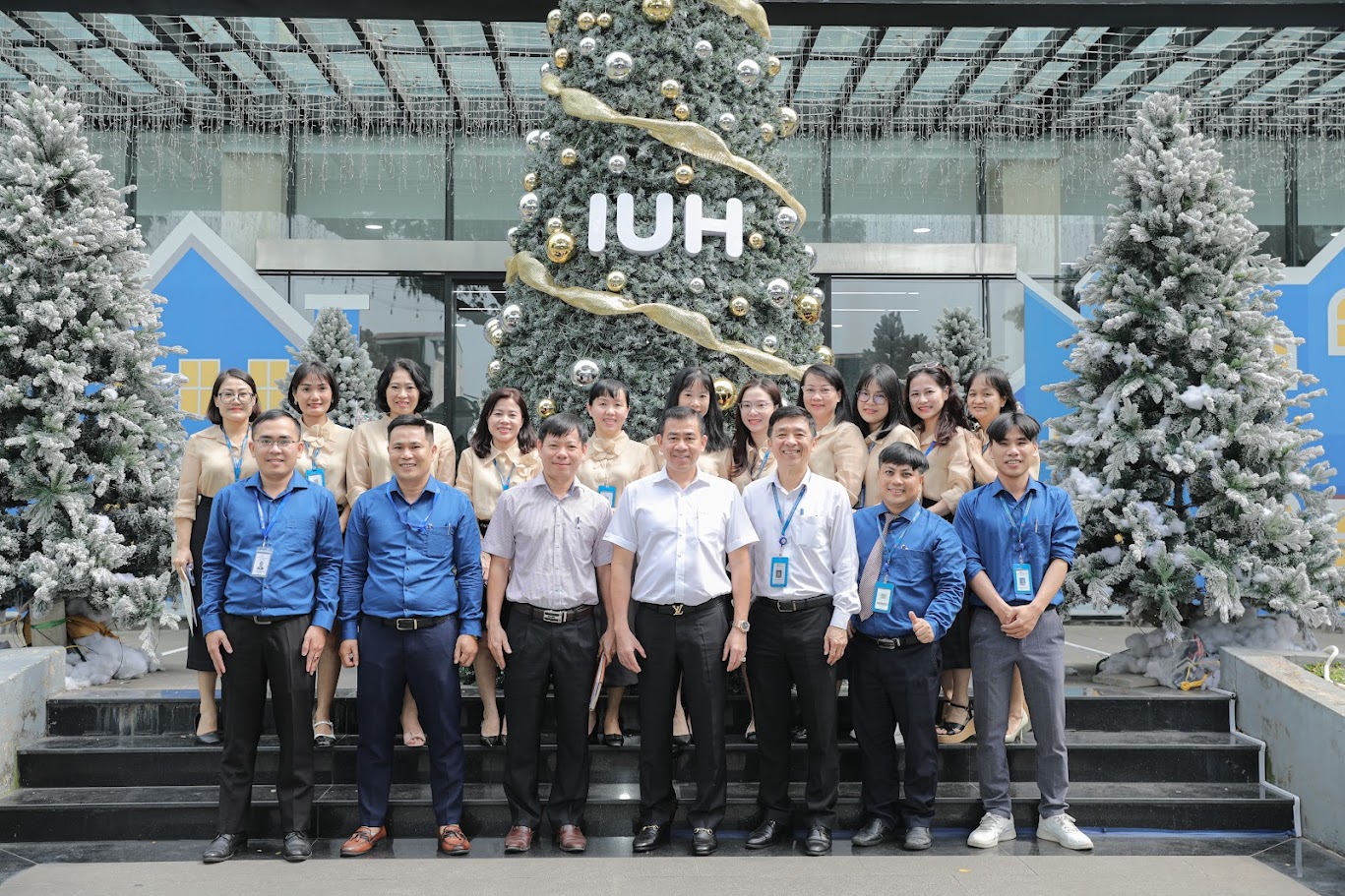
As of November 2022, the Office has 21 staff members, including: 1 PhD holder, 7 Master’s degree holders, 13 engineers and bachelor’s degree holders
Notable Achievements
- Establishing a strong reputation in society for the quality of education and training;
- Consistently meeting enrollment targets for many consecutive years;
- Receiving numerous Certificates of Merit from the Minister of Industry and Trade for outstanding collective achievements;
- One individual awarded the Third-Class Labor Order.
Development Orientation
- Enhancing the effectiveness of academic management through the application of information technology;
- Innovating curricula, teaching materials, and teaching methods in line with modern educational trends, international integration, and practical social demands;
- Implementing quality accreditation in accordance with international and regional standards