
Many student startup projects at the Industrial University of Ho Chi Minh City (IUH) have moved beyond ideas on paper to become tangible products, are supported by businesses, and are already generating revenue. The Innogreenlife 2025–2026 Final Round once again demonstrated the University’s practice-oriented educational approach and its emphasis on commercializing ideas right from the university environment.
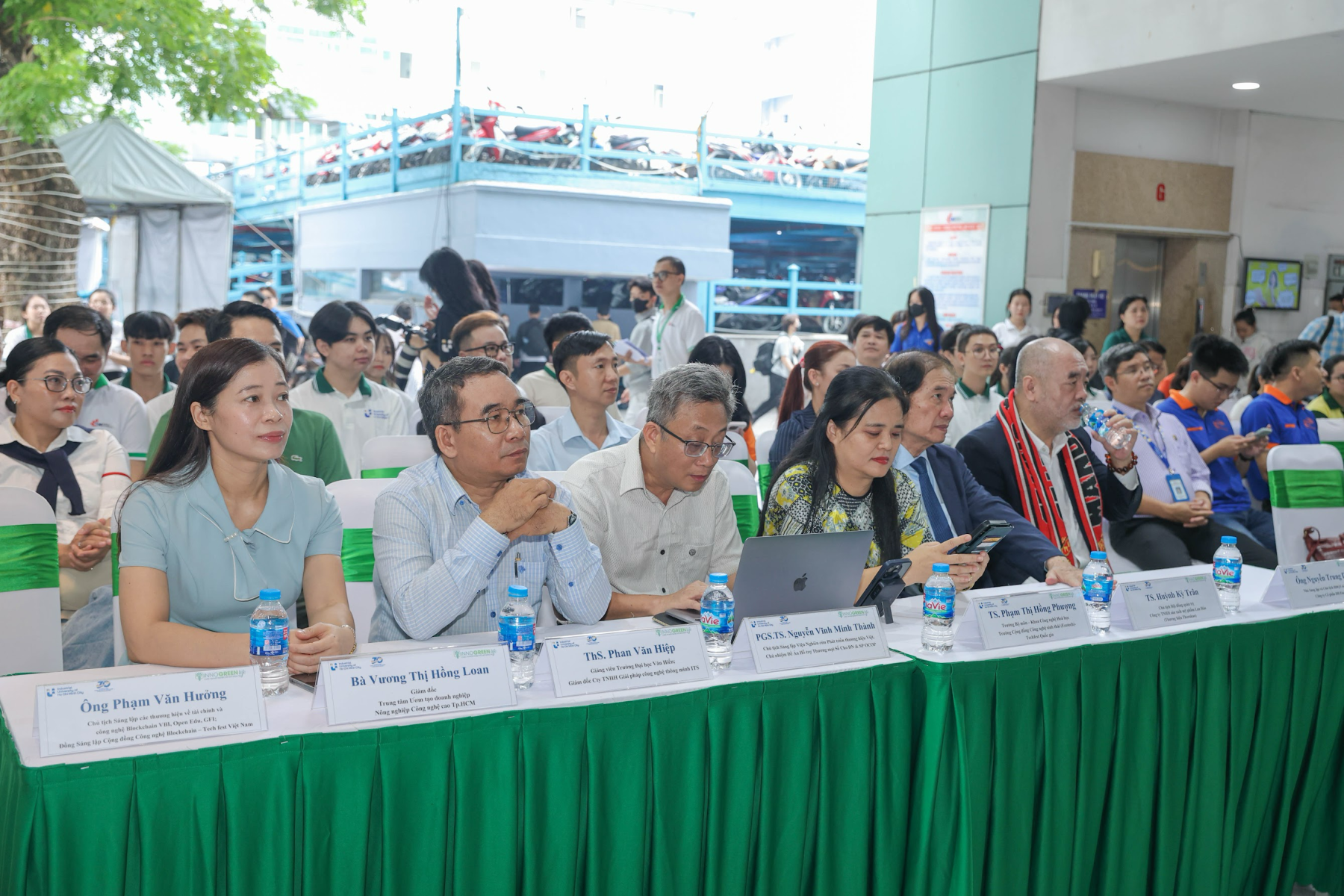
The event took place on May 9 at IUH as part of the Innovation and Entrepreneurship Festival, bringing together students, experts, and businesses to create a networking space connecting academia and the market.
The event took place on May 9 at IUH as part of the Innovation and Entrepreneurship Festival, bringing together students, experts, and businesses to create a networking space connecting academia and the market.
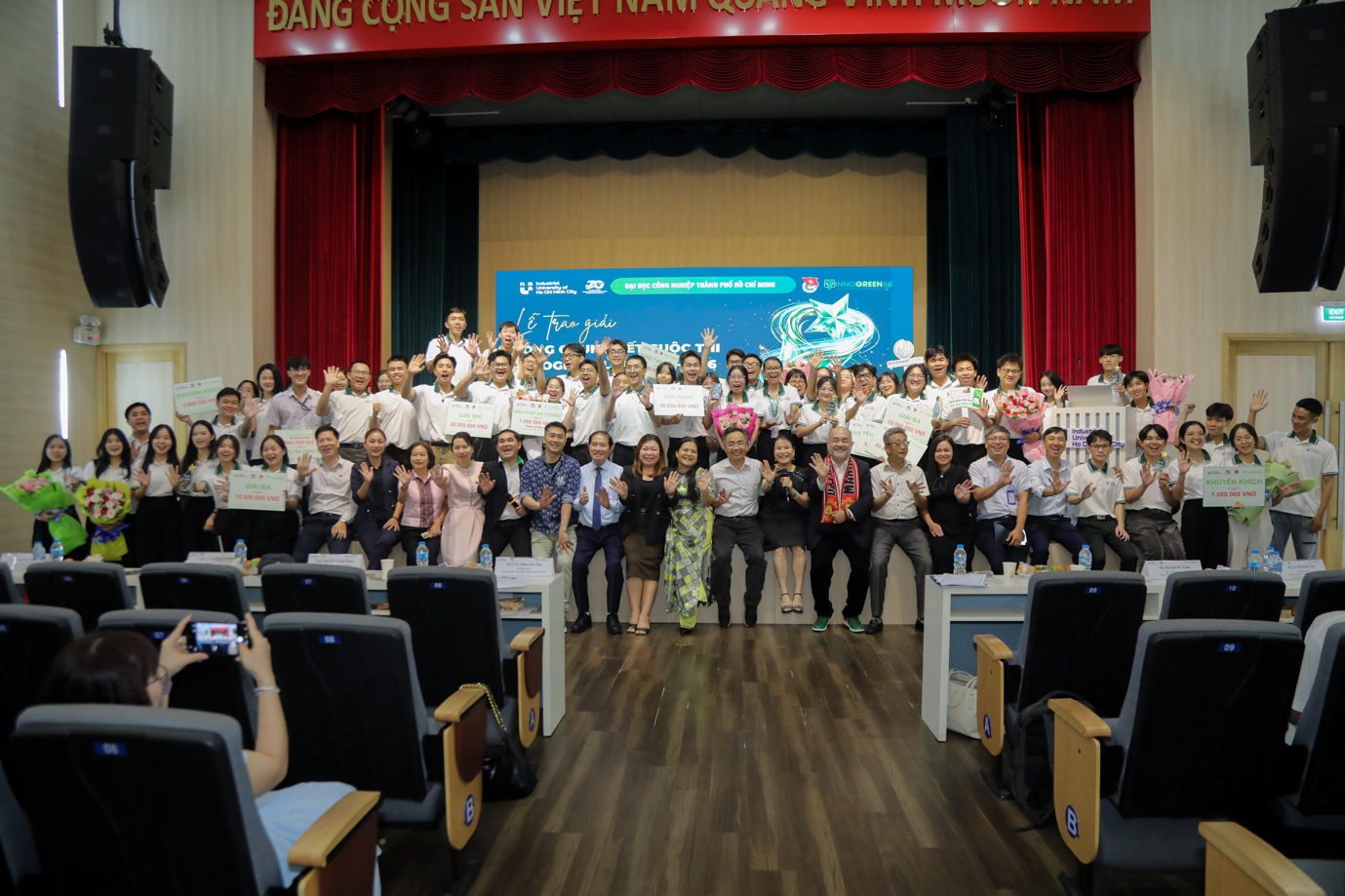
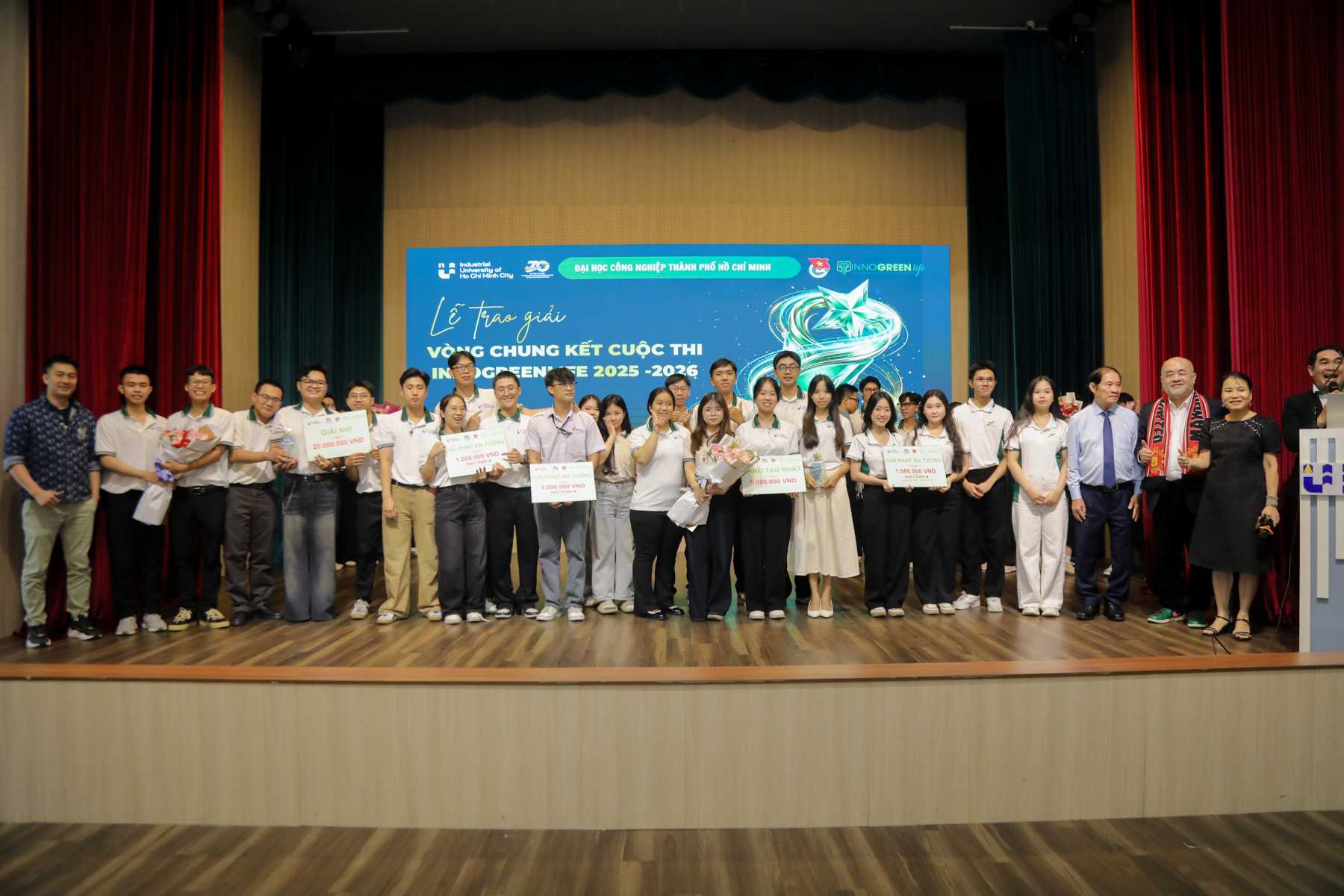
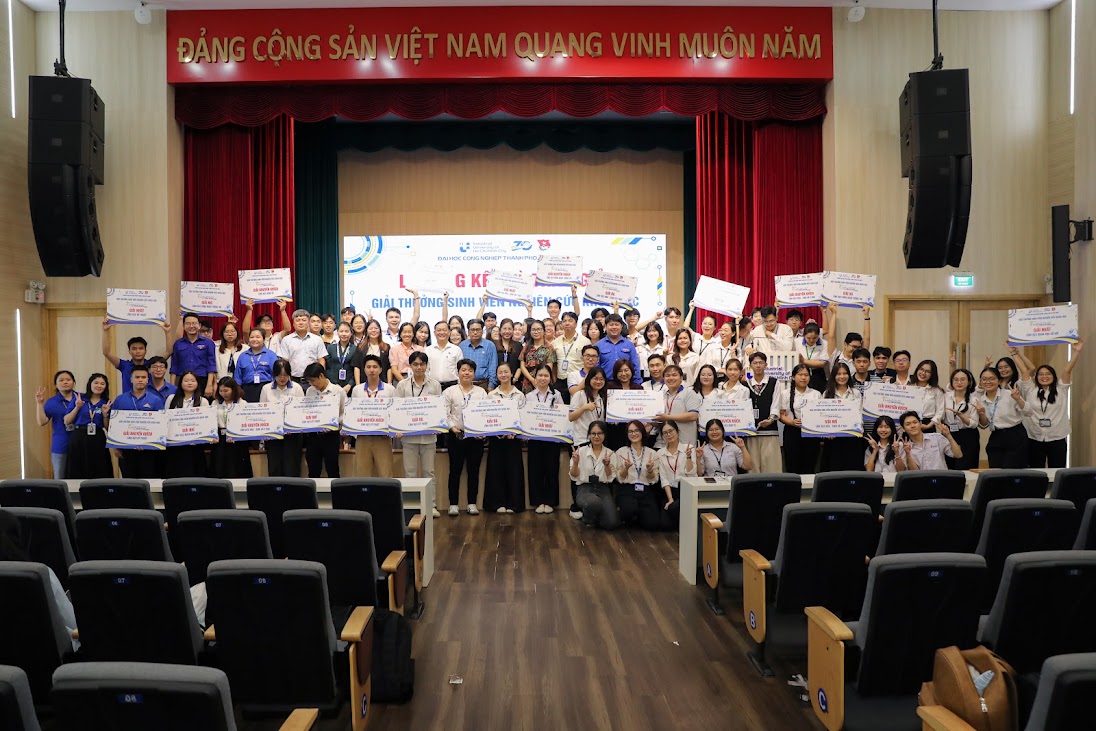
The Innogreenlife 2025 - 2026 Final Round at Industrial University of Ho Chi Minh City.
From 93 initial ideas, 10 projects were selected for the final round, competing for a total prize pool of VND 100 million. However, according to the organizing committee, the real value of the competition lies not in the prize money, but in the training process covering business models, presentation skills, design thinking, and intellectual property, all essential factors for bringing products to market.
The First Prize (VND 30 million) was awarded to the project Netgins: Ginger Warming Green Livelihoods. The product is a concentrated fermented ginger syrup made from local ingredients and linked to a sustainable farmer-cooperation model. The project has already been commercialized and is generating actual revenue.
The First Prize (VND 30 million) was awarded to the project Netgins: Ginger Warming Green Livelihoods. The product is a concentrated fermented ginger syrup made from local ingredients and linked to a sustainable farmer-cooperation model. The project has already been commercialized and is generating actual revenue.
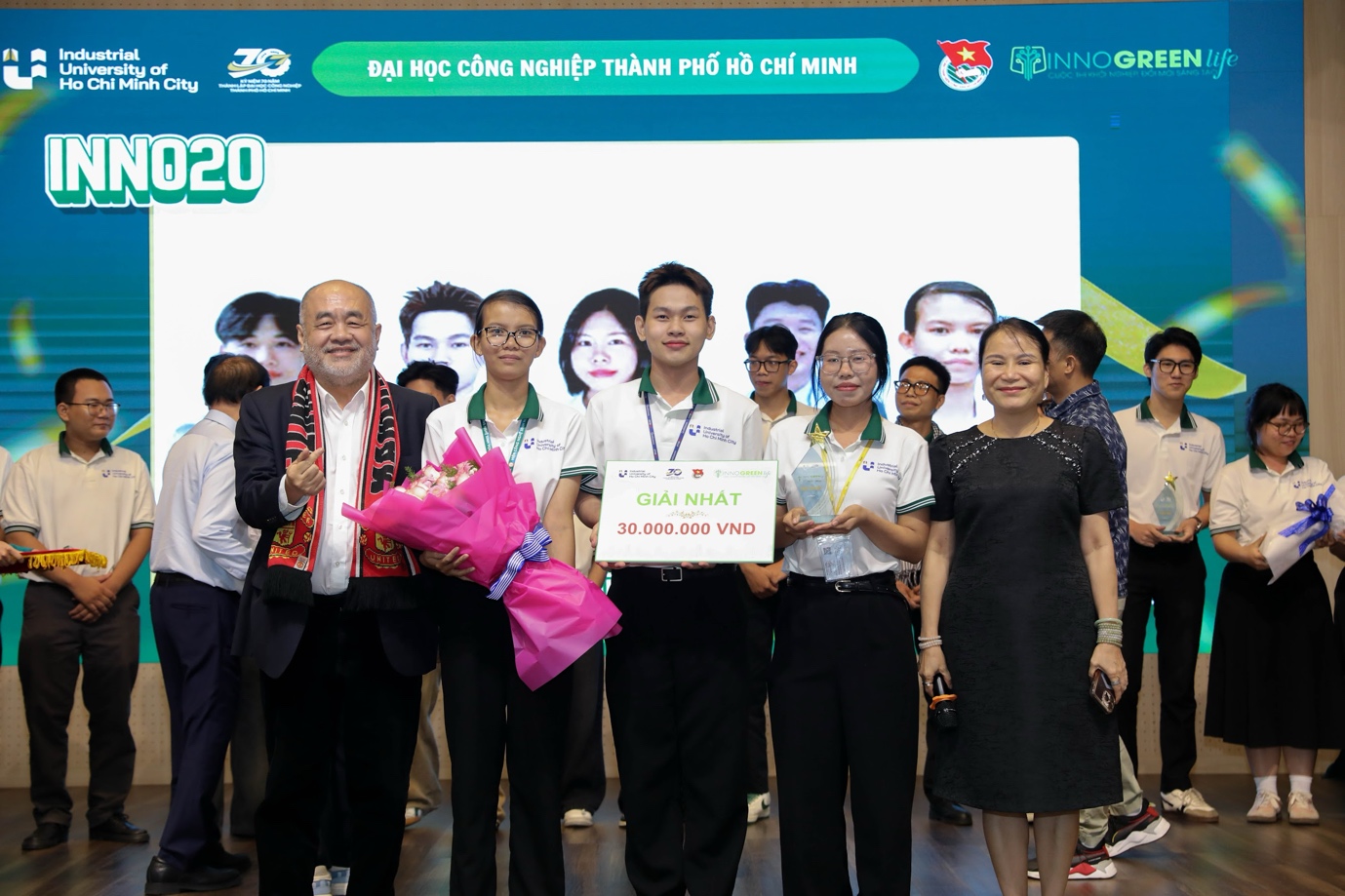
Assoc. Prof. Dr. Đàm Sao Mai, Vice Rector of the IUH, and Mr. Nguyễn Trung Dũng, CEO of DH Foods, presented the First Prize to the Netgins - Ginger Warming Green Livelihoods team.
Two Second Prizes (VND 20 million each) were awarded to:
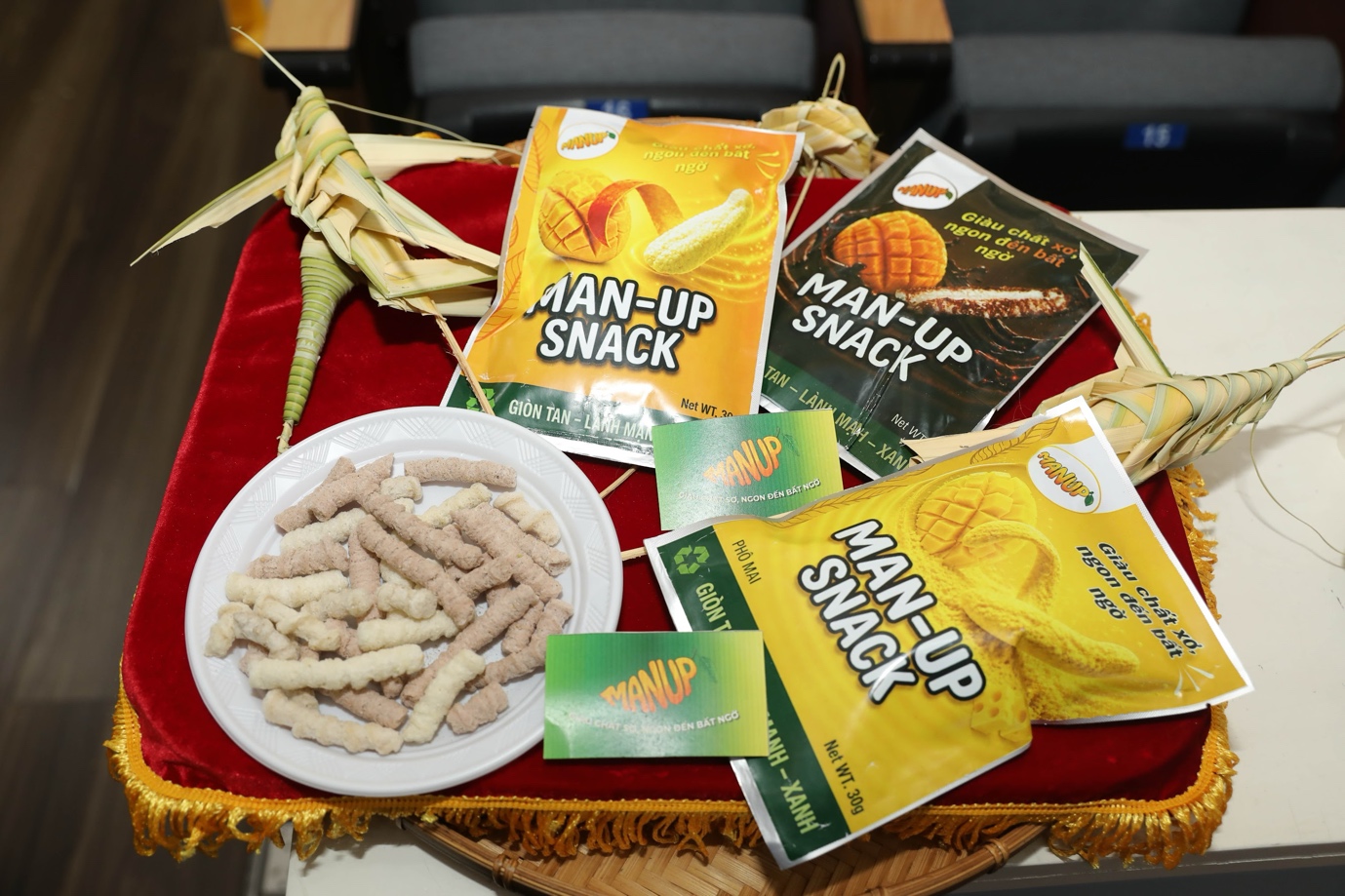
- Man-up Snack - The Beginning of New Layers: a project utilizing mango peels and agricultural by products to produce high-fiber snacks following a circular economy model. The project has received support from business partners.
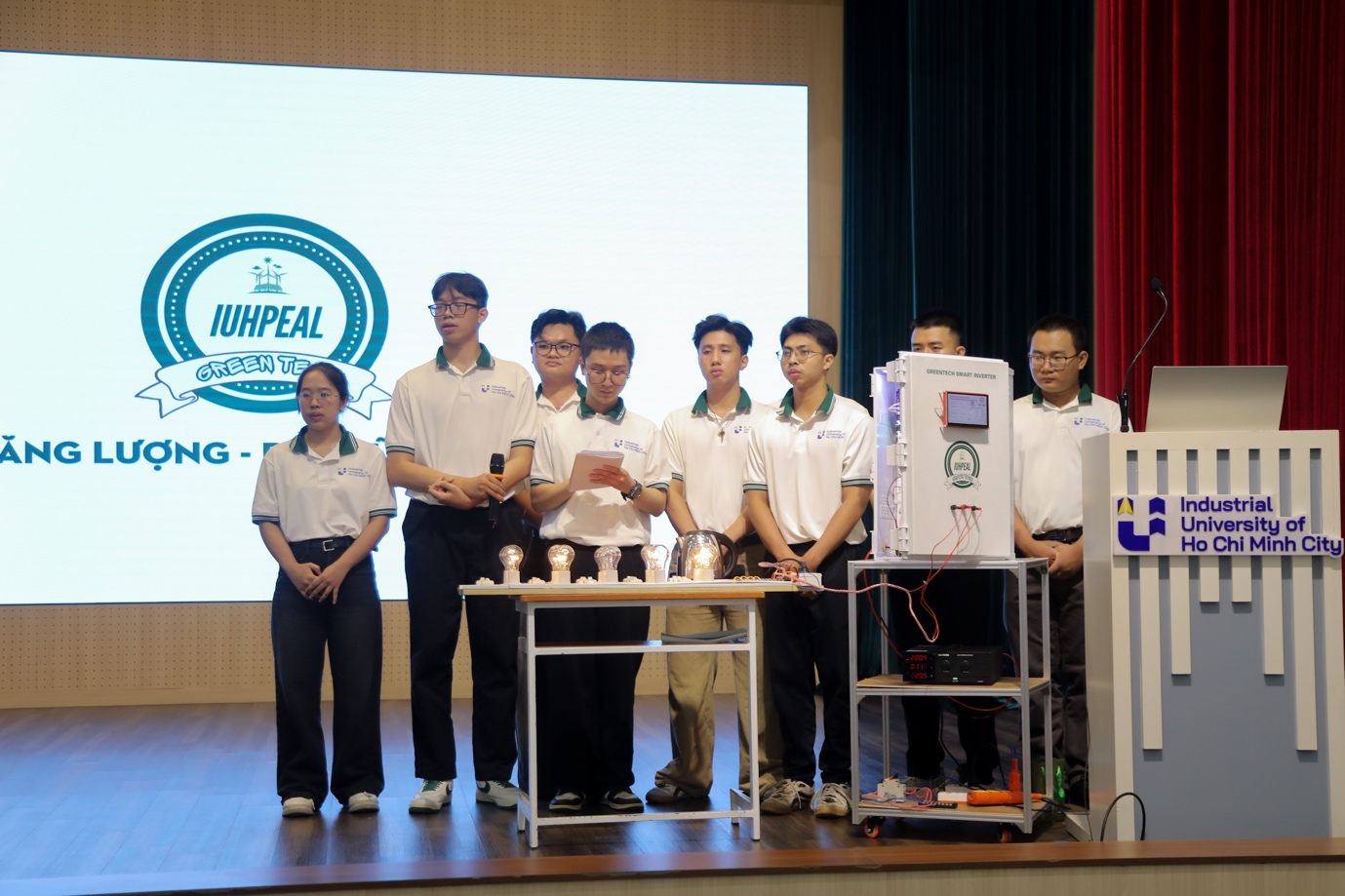
- Smart Three-Phase Grid-Tied Inverter Integrated with IoT: a 3–10 kW inverter integrated with a real-time monitoring system, aimed at localizing renewable energy technologies and supported by technology enterprises for further development.
- BIOSMART WRAP: a biological food wrap made from chitosan integrated with freshness indicators.
- Application Supporting Visually Impaired Users on Vuzix M400 Glasses: a solution leveraging existing smart-glasses platforms to assist users in daily activities.
- REBIRTH – Commercialization of Coral Restoration Services: a model combining experiential tourism and marine conservation toward sustainable development.
According to the judging panel, all finalist projects demonstrated strong practical application potential, focusing on areas such as green food products, biomaterials, renewable energy, and technologies supporting communities. Notably, many projects have already established partnerships with enterprises during the product development stage.
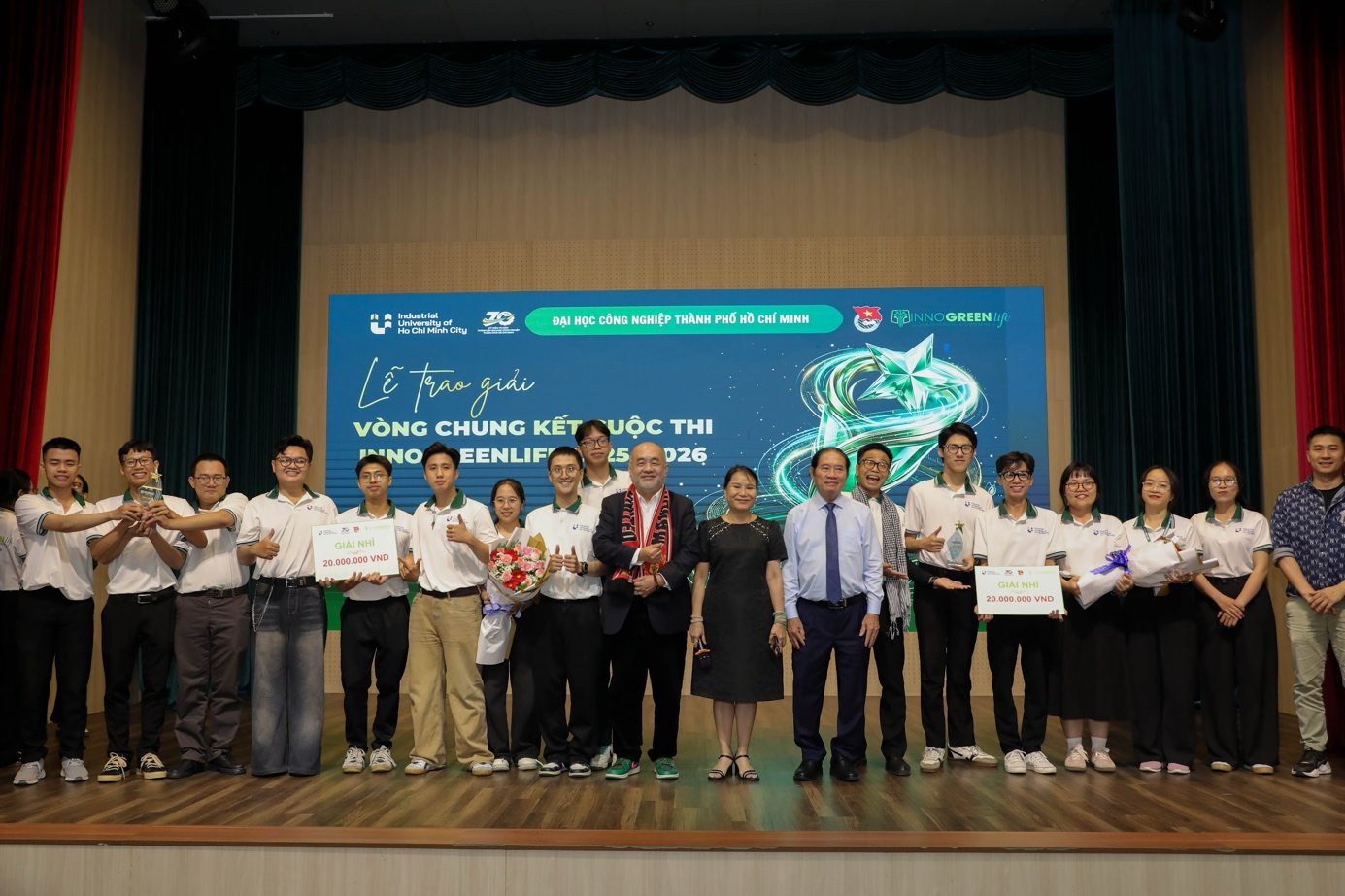
Judging panel with the two Second Prize-winning teams.
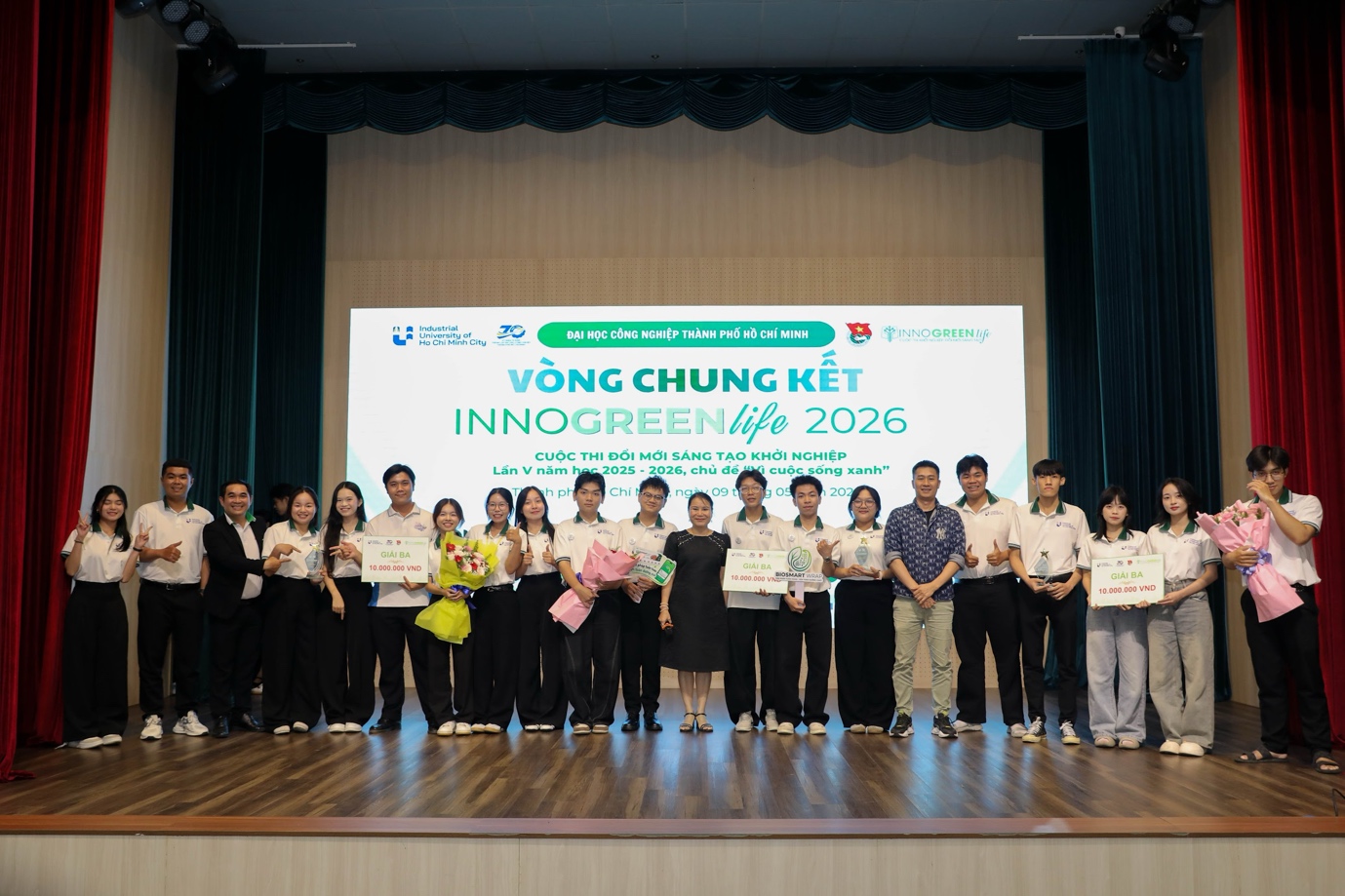
The three Third Prize-winning teams.
Innogreenlife highlighted a growing trend in student entrepreneurship: moving from conceptual ideas to models capable of real-world implementation. When products begin generating revenue and projects receive sponsorship or development cooperation from businesses, it signals that university-based research is moving closer to the market.
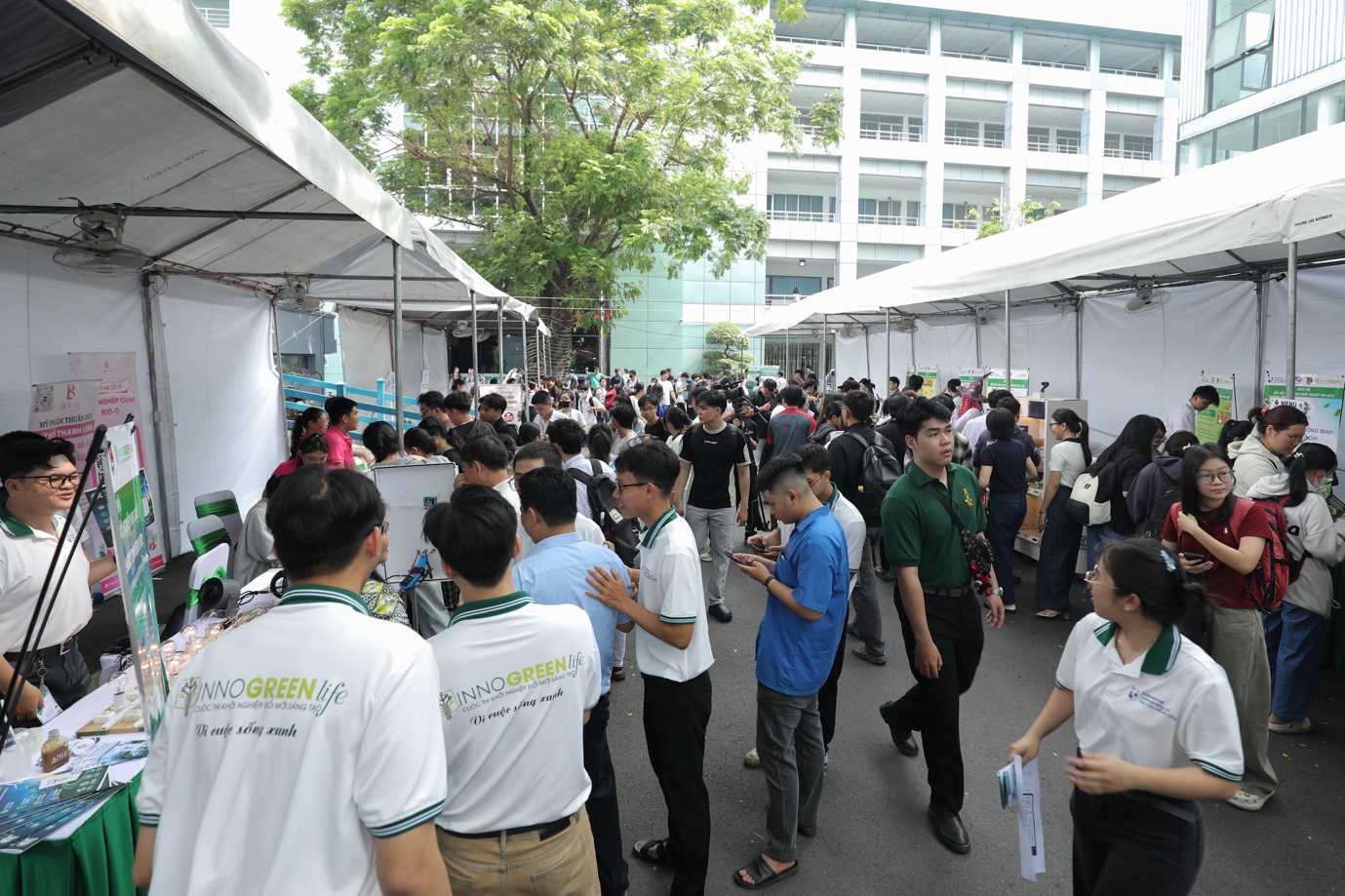
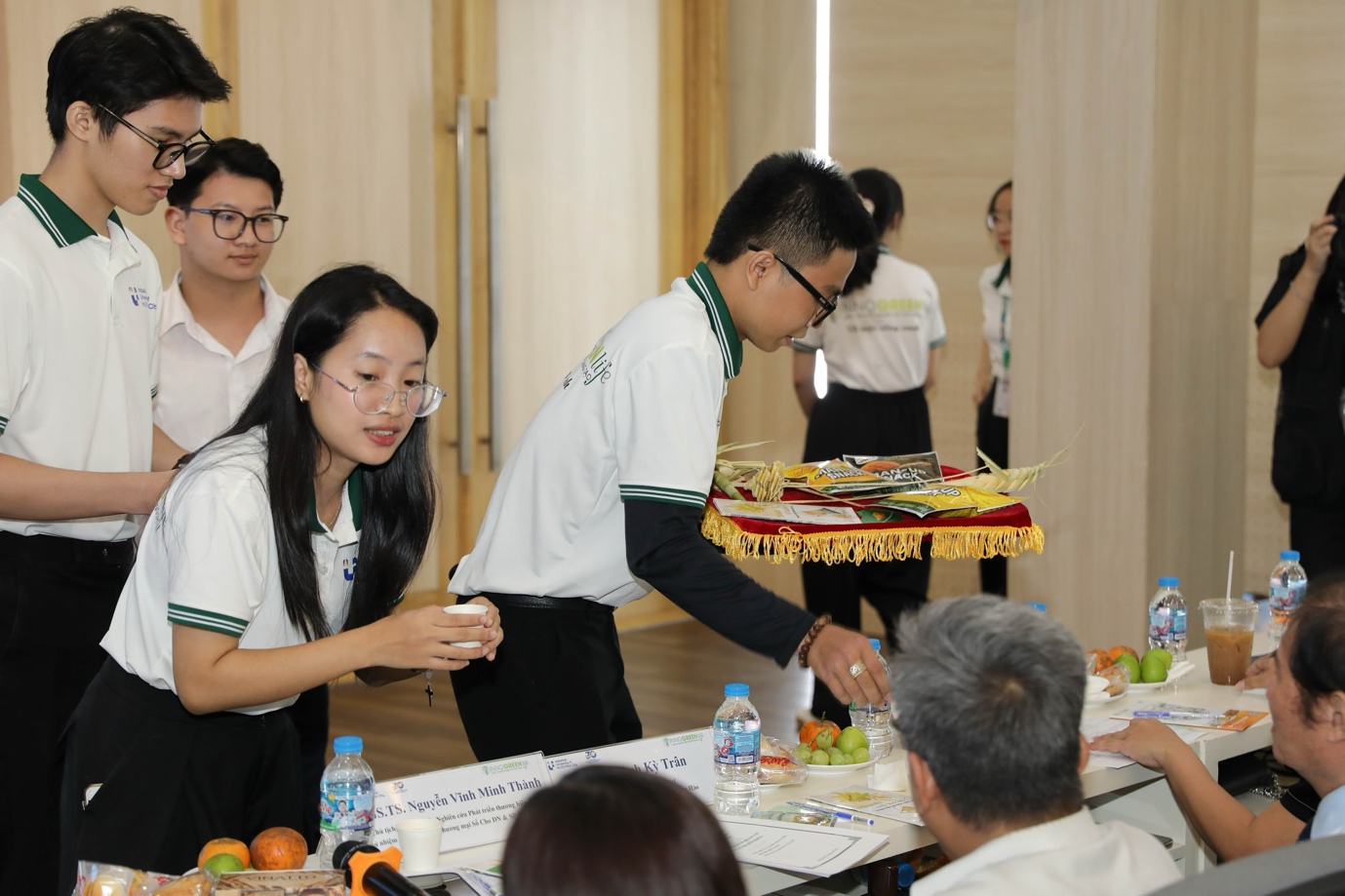
Exhibition booths from participating teams and enterprises.
From local ingredients such as ginger and mango peels to energy technologies and environmental solutions, these projects reflected IUH’s educational orientation toward hands-on learning, enhanced real-world experience, and encouraged students to solve concrete societal problems.
For IUH, entrepreneurship competitions are not merely playgrounds for students, but steppingstones toward building an innovation ecosystem where students can engage with enterprises, understand commercialization processes, and gradually bring products to market.
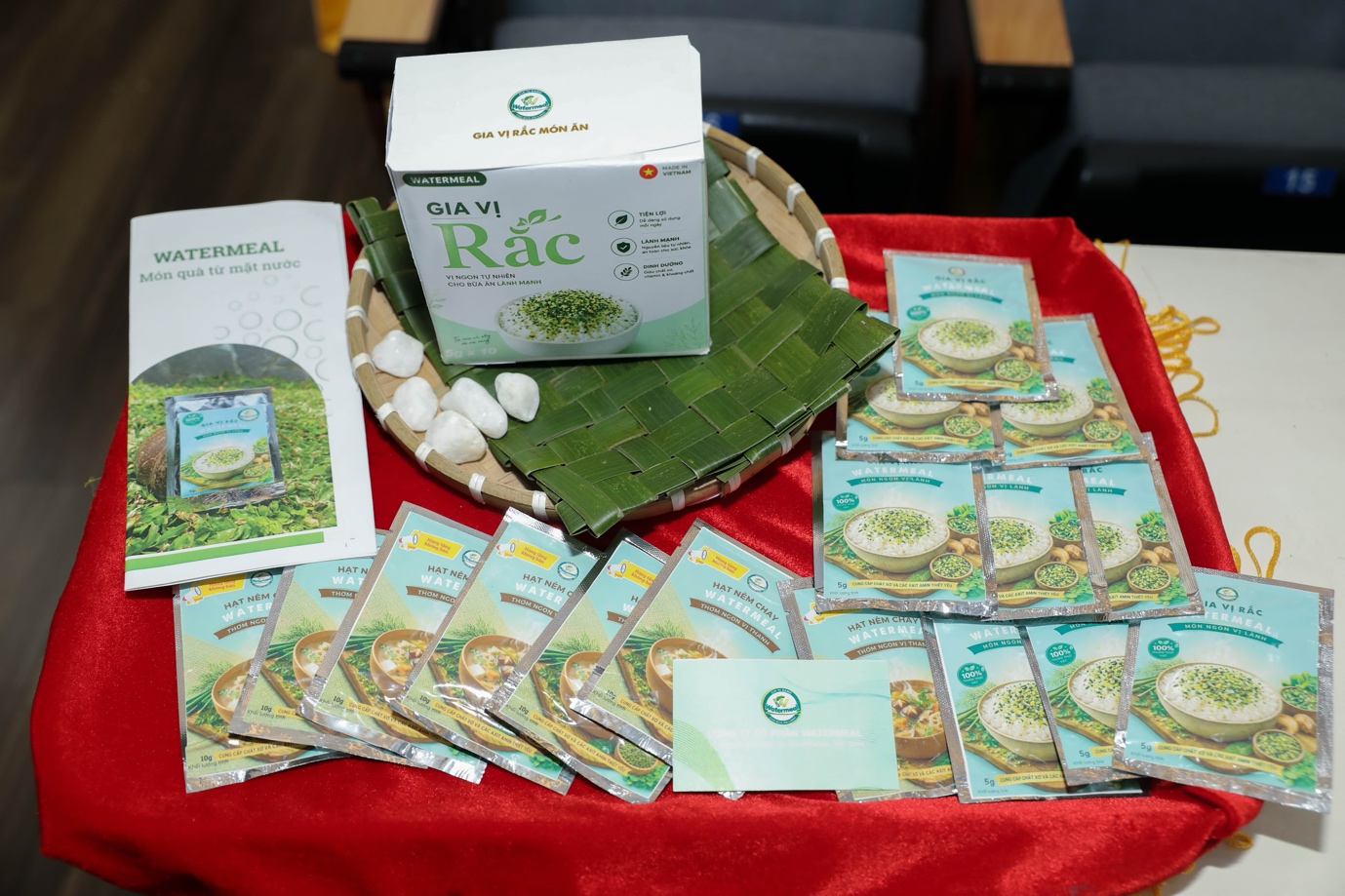
Some highlights from the participating teams:
For IUH, entrepreneurship competitions are not merely playgrounds for students, but steppingstones toward building an innovation ecosystem where students can engage with enterprises, understand commercialization processes, and gradually bring products to market.
Some highlights from the participating teams: