
Scientists at the conference discussed key topics including research on Vietnamese medicinal plants, the design of biologically active compounds, pharmaceutical formulation technologies, and the application of artificial intelligence in drug research.
On September 19 and 20, 2026, the Industrial University of Ho Chi Minh City (IUH), in collaboration with Hanoi University of Pharmacy, the School of Pharmacy at the University of Medicine and Pharmacy at Ho Chi Minh City, and the Vietnam Association of Medicinal Chemistry, organized the national scientific conference "Medicinal Chemistry and New Drug Development: Research and Application Trends in the Era of Integration." The conference was held at IUH in a hybrid format, combining in-person and online participation.
On September 19 and 20, 2026, the Industrial University of Ho Chi Minh City (IUH), in collaboration with Hanoi University of Pharmacy, the School of Pharmacy at the University of Medicine and Pharmacy at Ho Chi Minh City, and the Vietnam Association of Medicinal Chemistry, organized the national scientific conference "Medicinal Chemistry and New Drug Development: Research and Application Trends in the Era of Integration." The conference was held at IUH in a hybrid format, combining in-person and online participation.
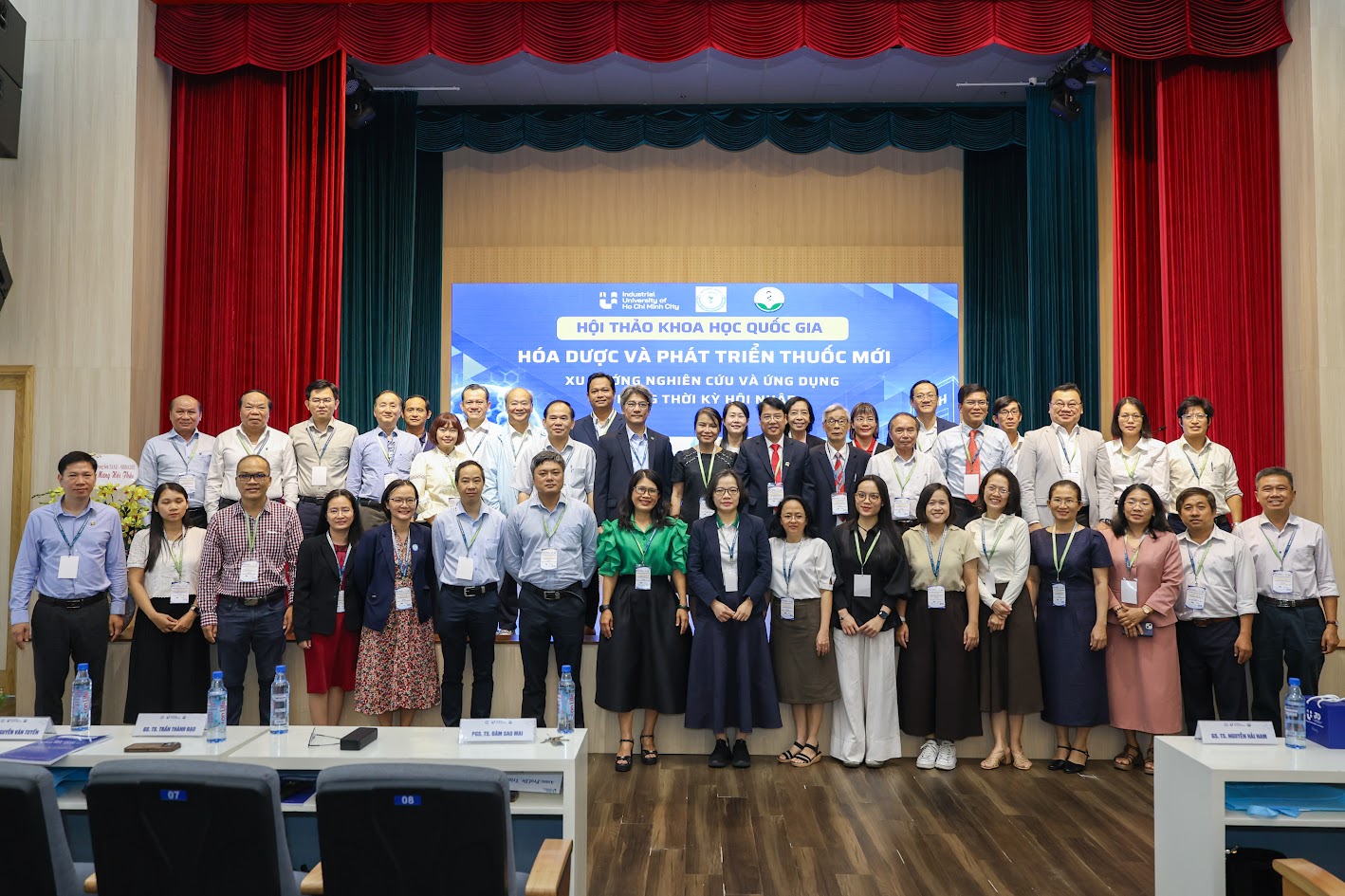
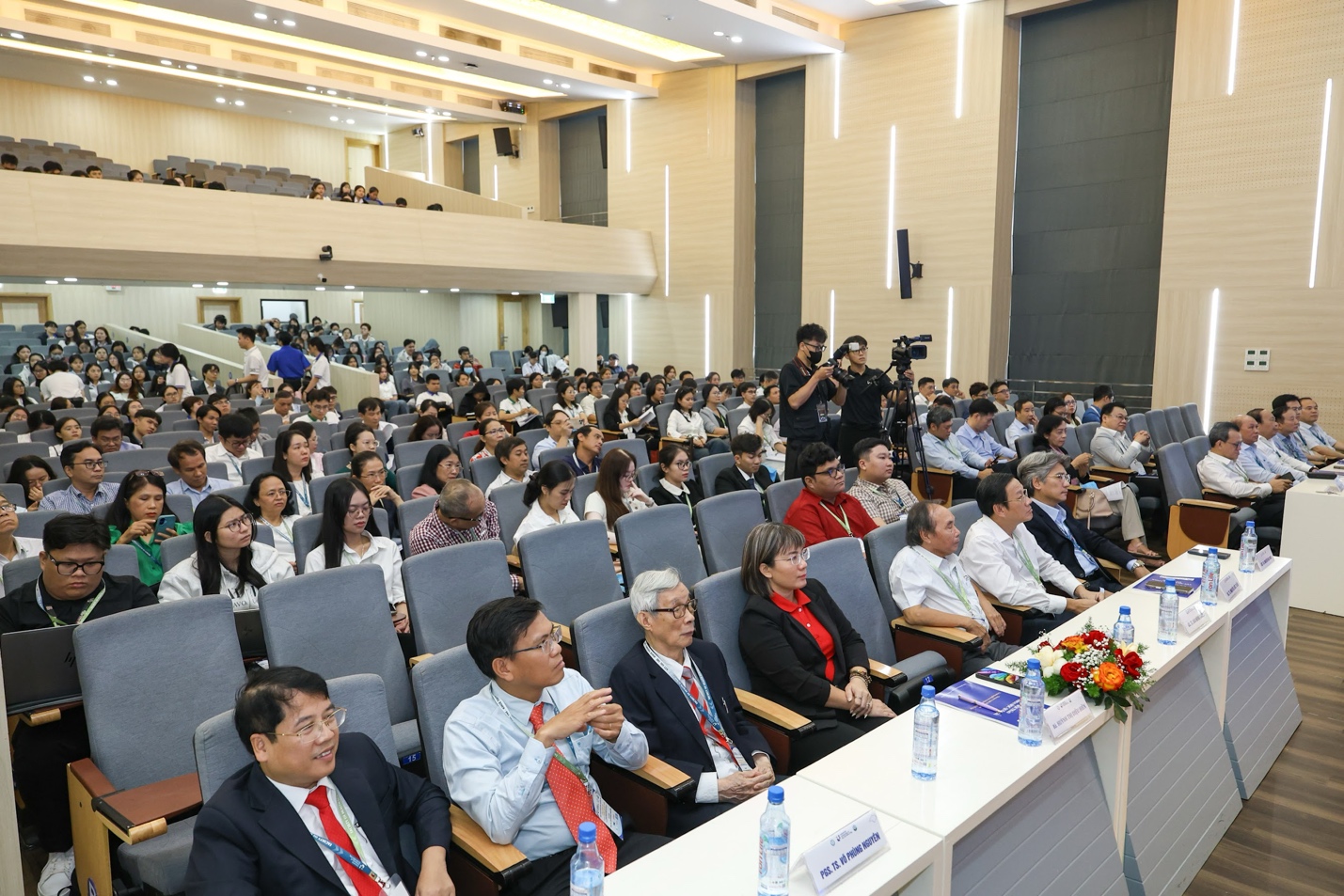
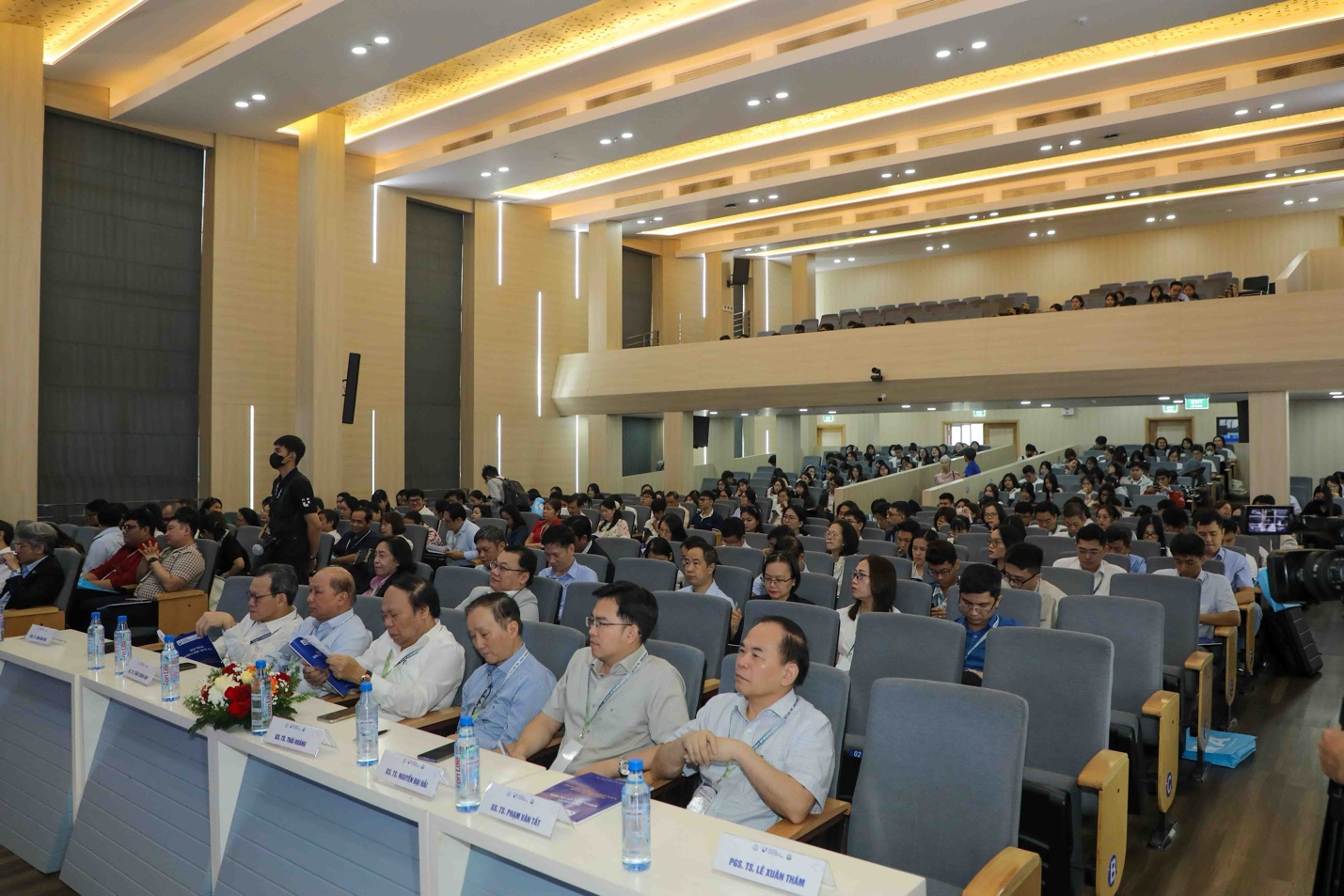
The national scientific conference on "Medicinal Chemistry and New Drug Development" was held at the Industrial University of Ho Chi Minh City.
Assoc attended the event. Prof. Dr. Đàm Sao Mai, Vice Rector of IUH; Prof. Dr. Nguyễn Hải Nam, Rector of Hanoi University of Pharmacy and President of the Vietnam Association of Medicinal Chemistry; Prof. Dr. Nguyễn Đức Tuấn from the School of Pharmacy, University of Medicine and Pharmacy at Ho Chi Minh City; and Prof. Dr. Trần Đình Thắng, Dean of the Faculty of Health Sciences at IUH and Head of the Conference's Scientific Committee. The event also brought together scientists, experts, lecturers, doctoral candidates, graduate and undergraduate students, and representatives from universities, research institutes, testing organizations, and domestic pharmaceutical companies. Prof. Dr. Xiaodong Feng from California Northstate University, United States, and several other international scientists also participated in presentations and academic discussions.
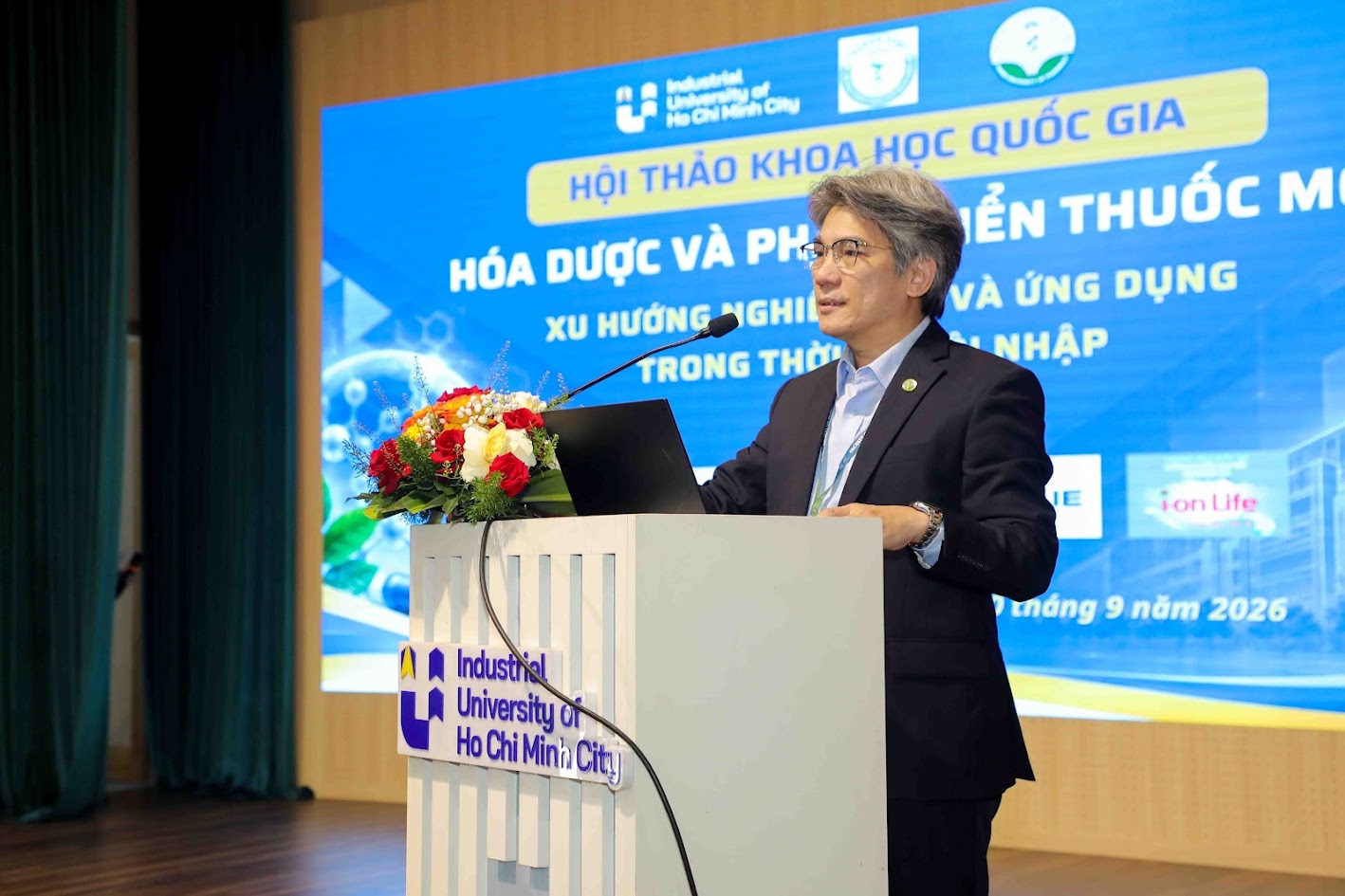
Prof. Dr. Nguyễn Hải Nam, Rector of Hanoi University of Pharmacy.
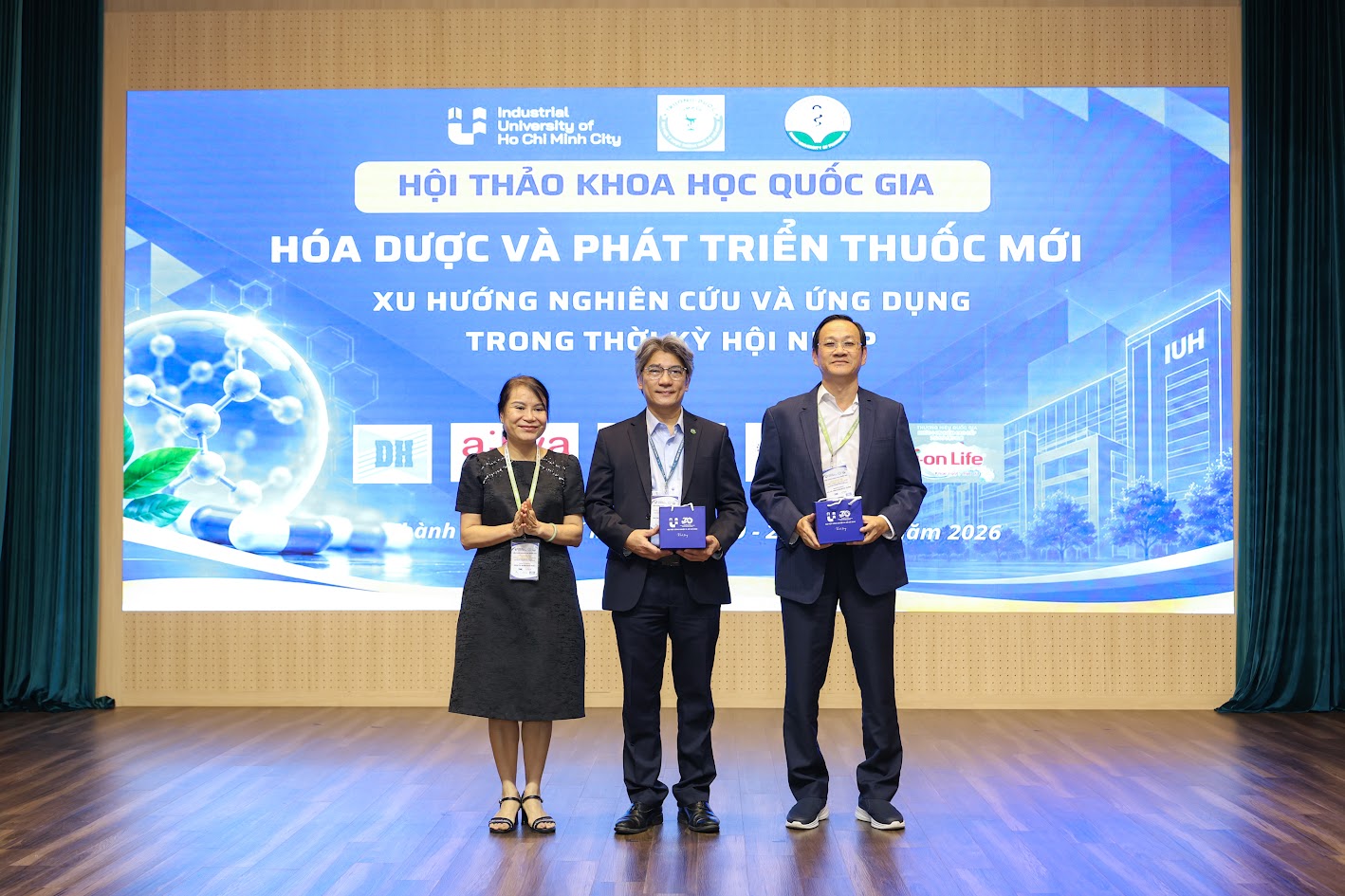
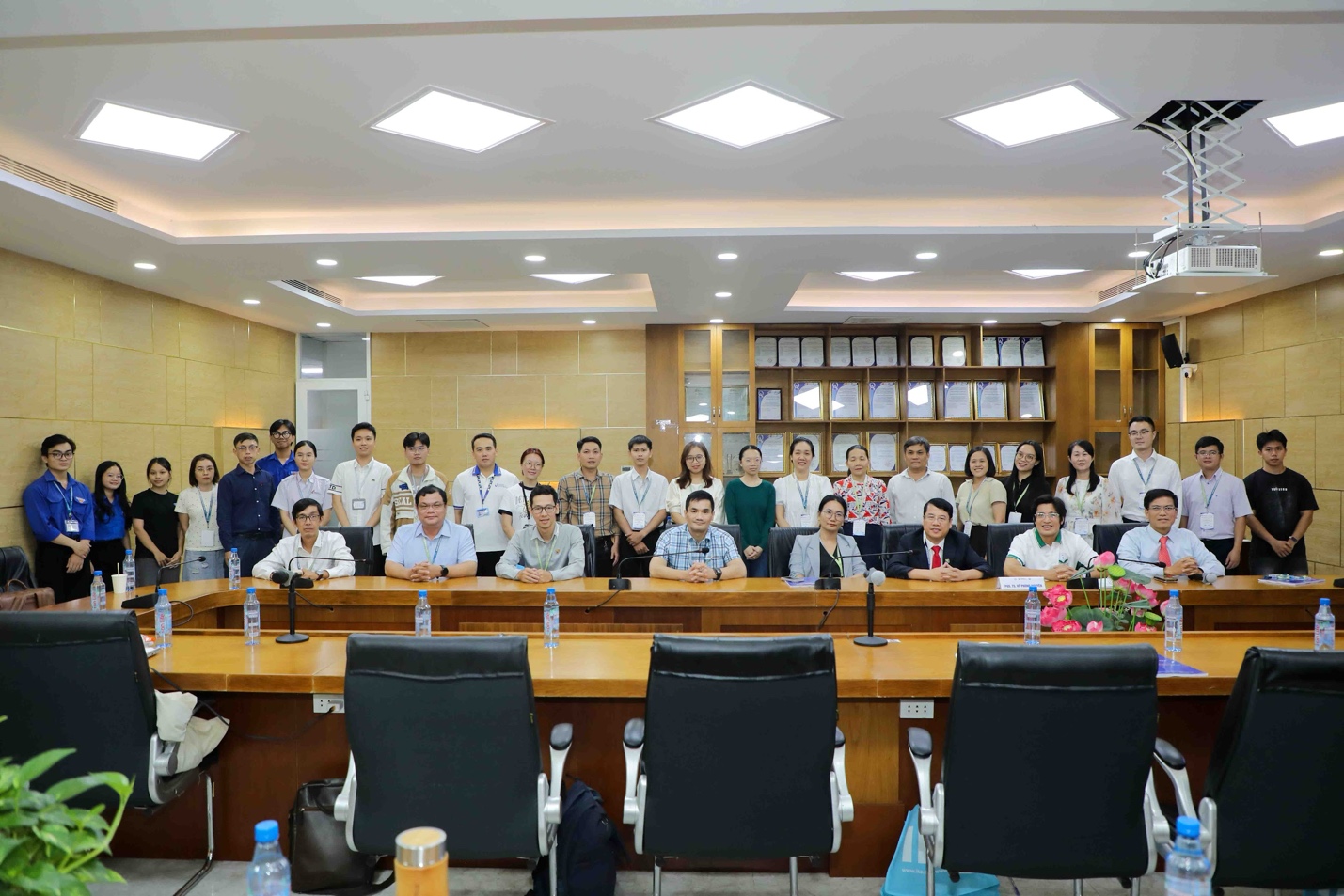
Assoc. Prof. Dr. Đàm Sao Mai, Vice Rector of Industrial University of Ho Chi Minh City, presents commemorative gifts to representatives of the co-organizing institutions.
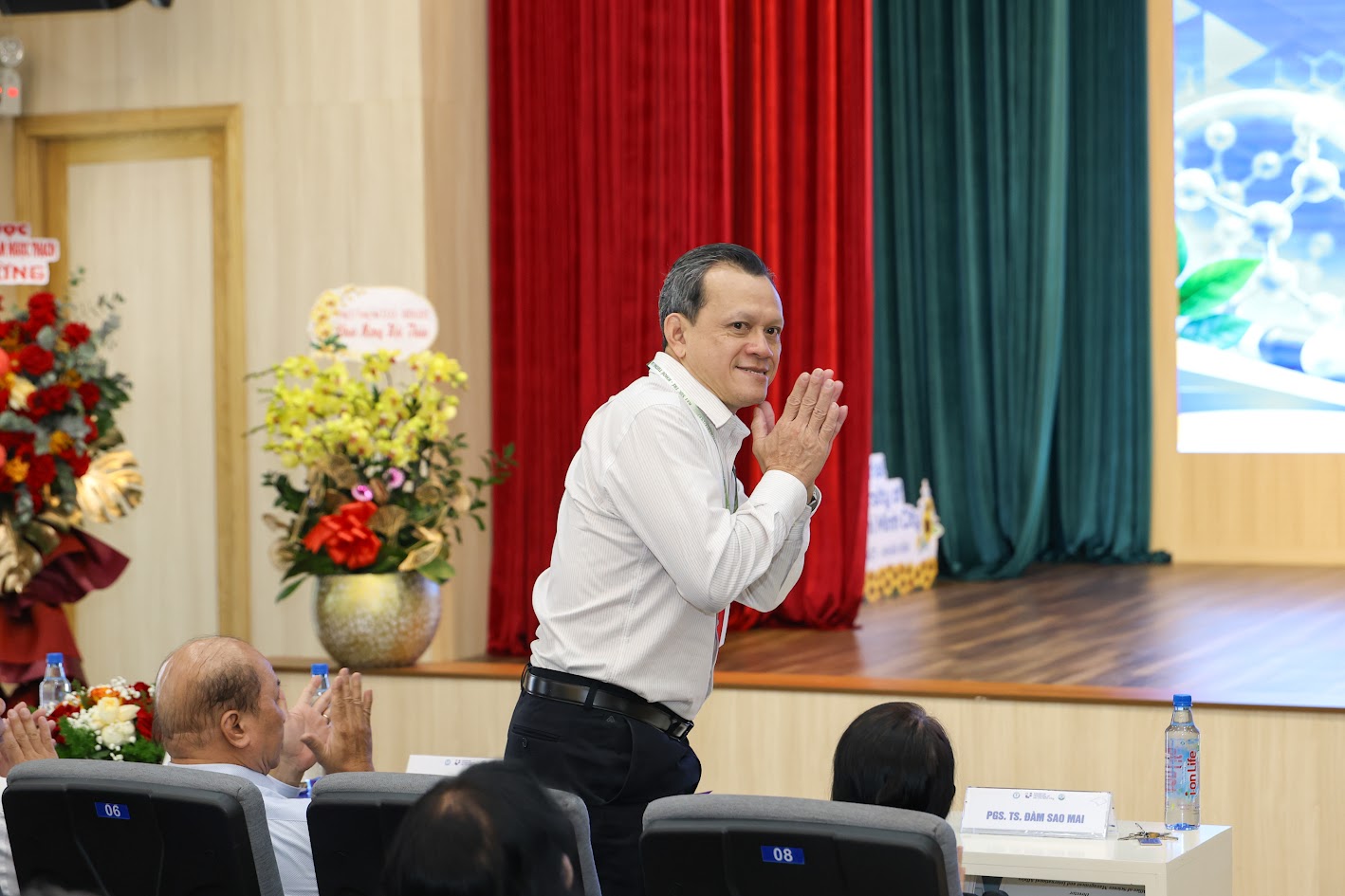
Assoc. Prof. Dr. Nguyễn Đăng Thoại, Vice Rector of Pham Ngoc Thach University of Medicine.
The conference featured 84 scientific presentations, including six plenary presentations, 13 oral presentations delivered across three specialized sessions, and 65 poster presentations.
The presentations focused on research areas including drug design and synthesis, the exploration of active compounds from medicinal plants, the development of biologically active natural compounds, pharmaceutical formulation and drug delivery systems, pharmaceutical analysis and testing, and quality control. Several studies also explored artificial intelligence, molecular modeling, and in silico methods to screen and design drug candidates and predict their toxicity.
The plenary session featured six scientific presentations by experts from domestic and international education and research institutions.
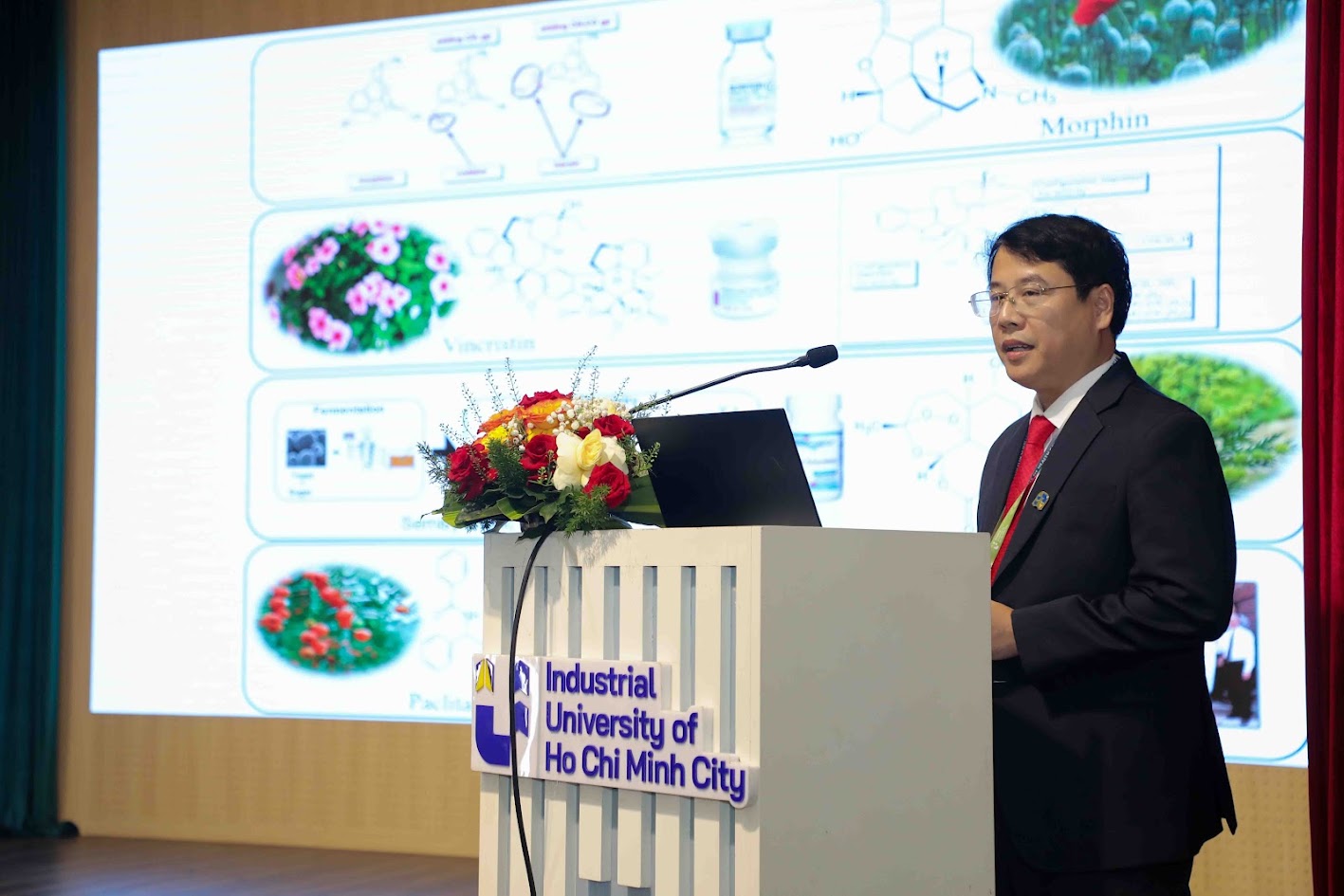
Opening the session, Prof. Dr. Trần Đình Thắng, Dean of the Faculty of Health Sciences at IUH, presented "Research on Medicinal Plants with Potential for Drug Development in Vietnam." The presentation examined the potential of Vietnam's medicinal plant resources. It proposed an integrated research pathway, from identifying raw material sources and isolating compounds to evaluating biological activity, standardization, formulation, and product development.
The presentations focused on research areas including drug design and synthesis, the exploration of active compounds from medicinal plants, the development of biologically active natural compounds, pharmaceutical formulation and drug delivery systems, pharmaceutical analysis and testing, and quality control. Several studies also explored artificial intelligence, molecular modeling, and in silico methods to screen and design drug candidates and predict their toxicity.
The plenary session featured six scientific presentations by experts from domestic and international education and research institutions.
Opening the session, Prof. Dr. Trần Đình Thắng, Dean of the Faculty of Health Sciences at IUH, presented "Research on Medicinal Plants with Potential for Drug Development in Vietnam." The presentation examined the potential of Vietnam's medicinal plant resources. It proposed an integrated research pathway, from identifying raw material sources and isolating compounds to evaluating biological activity, standardization, formulation, and product development.
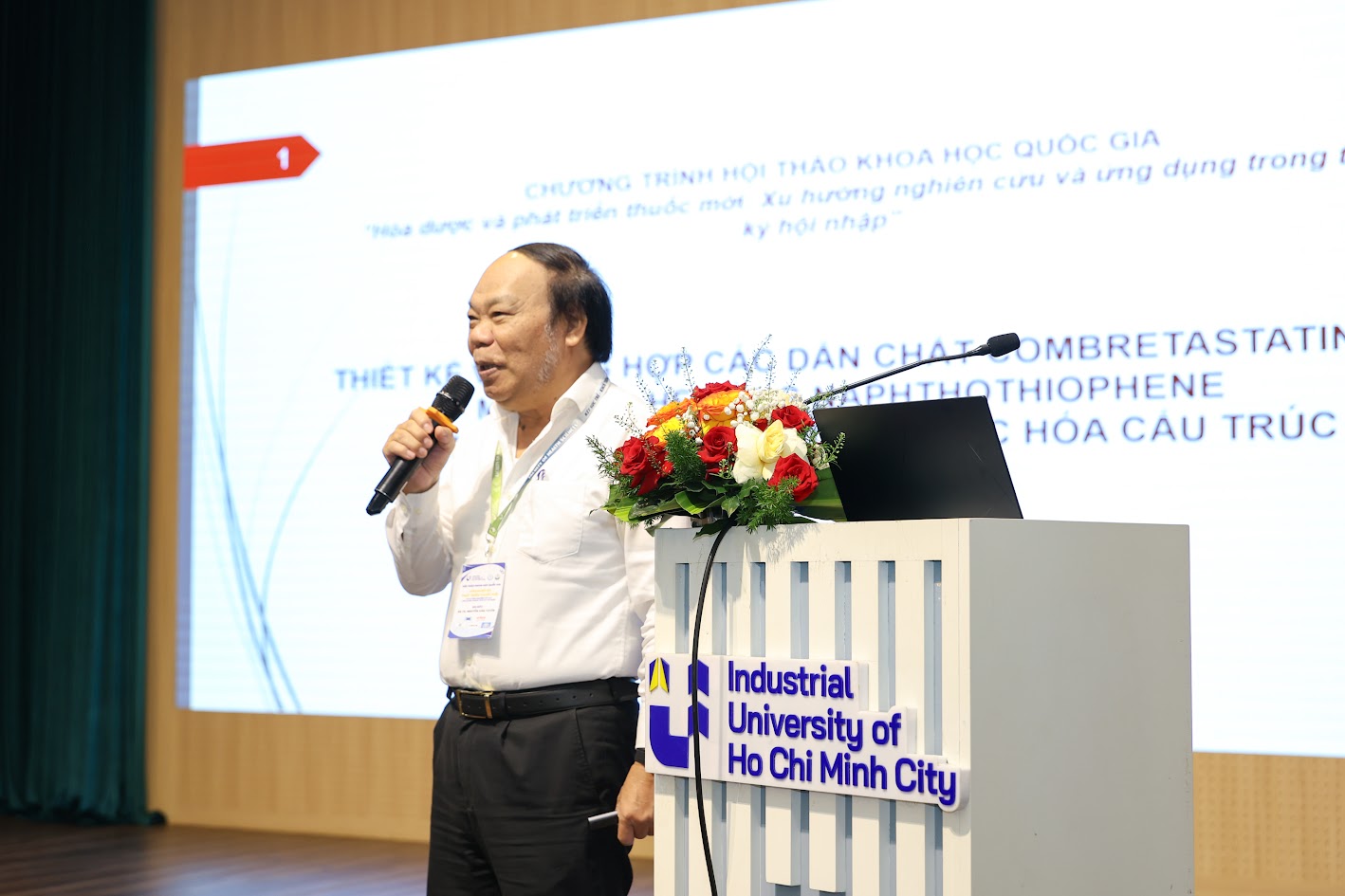
Prof. Dr. Nguyễn Văn Tuyến from the Institute of Chemistry, Vietnam Academy of Science and Technology, introduced research on the design and synthesis of novel combretastatin A-4 derivatives containing a naphthothiophene ring system. The study represents an approach to designing targeted compounds for anticancer drug research.
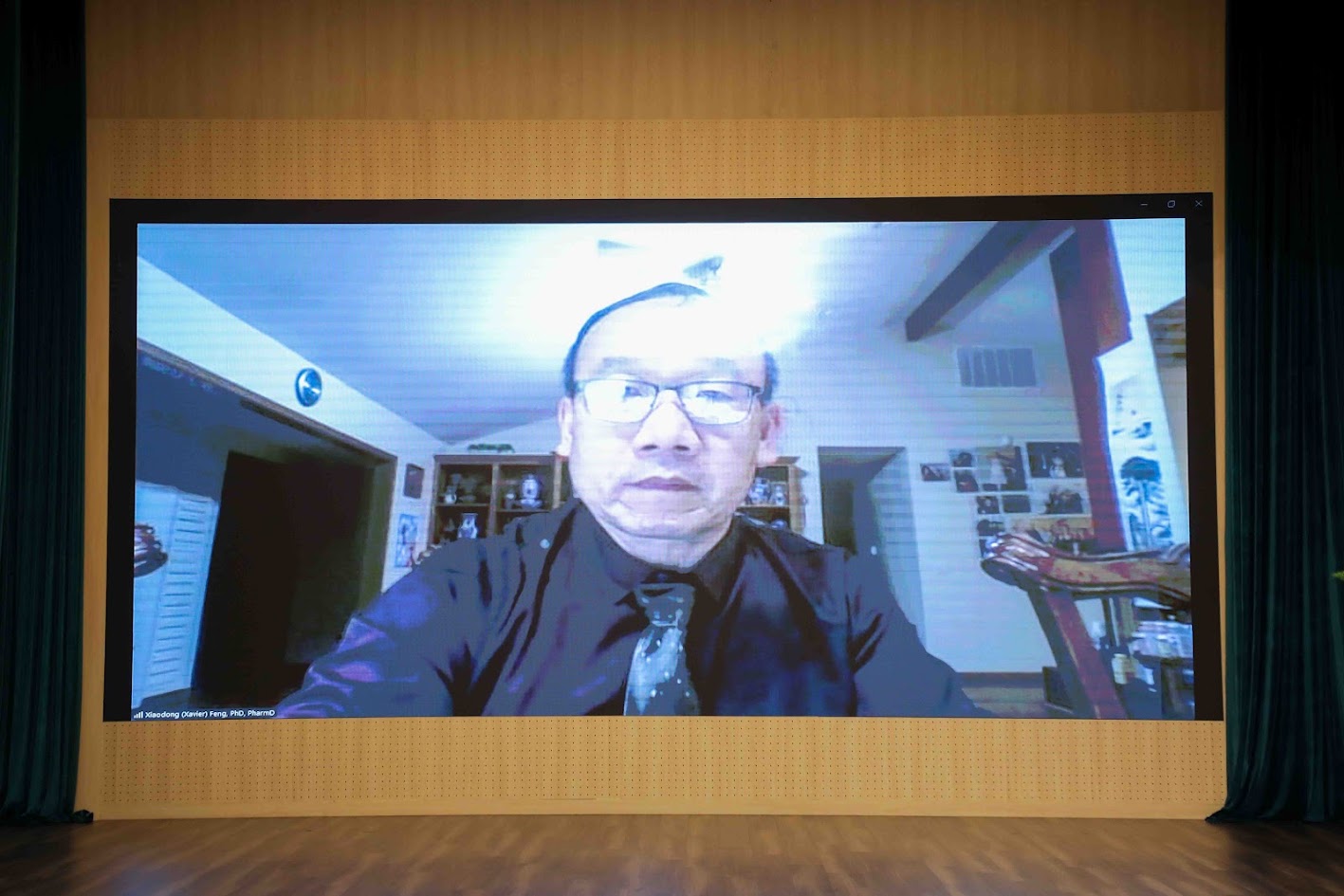
Prof. Dr. Xiaodong Feng from California Northstate University, United States, presented research on pharmacogenomics in resistant hypertension among the Vietnamese population, focusing on the role of genetic data in drug selection, treatment regimen optimization, and personalized medicine development.
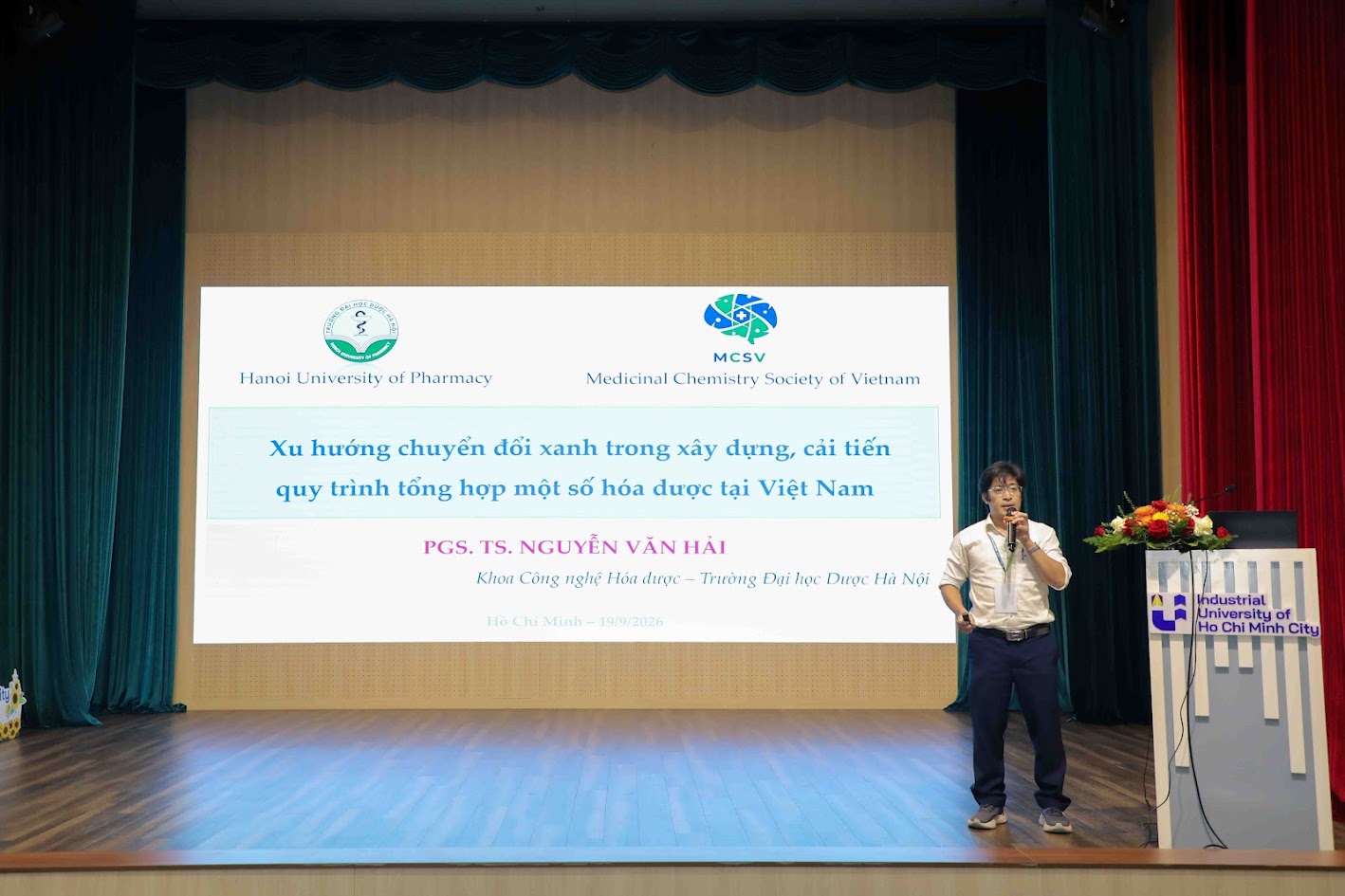
Assoc. Prof. Dr. Nguyễn Văn Hải from Hanoi University of Pharmacy discussed trends in green transformation in the development and improvement of synthetic processes for selected pharmaceutical compounds in Vietnam. The approaches presented aim to reduce hazardous solvent use, conserve energy, improve efficiency, and minimize production waste.
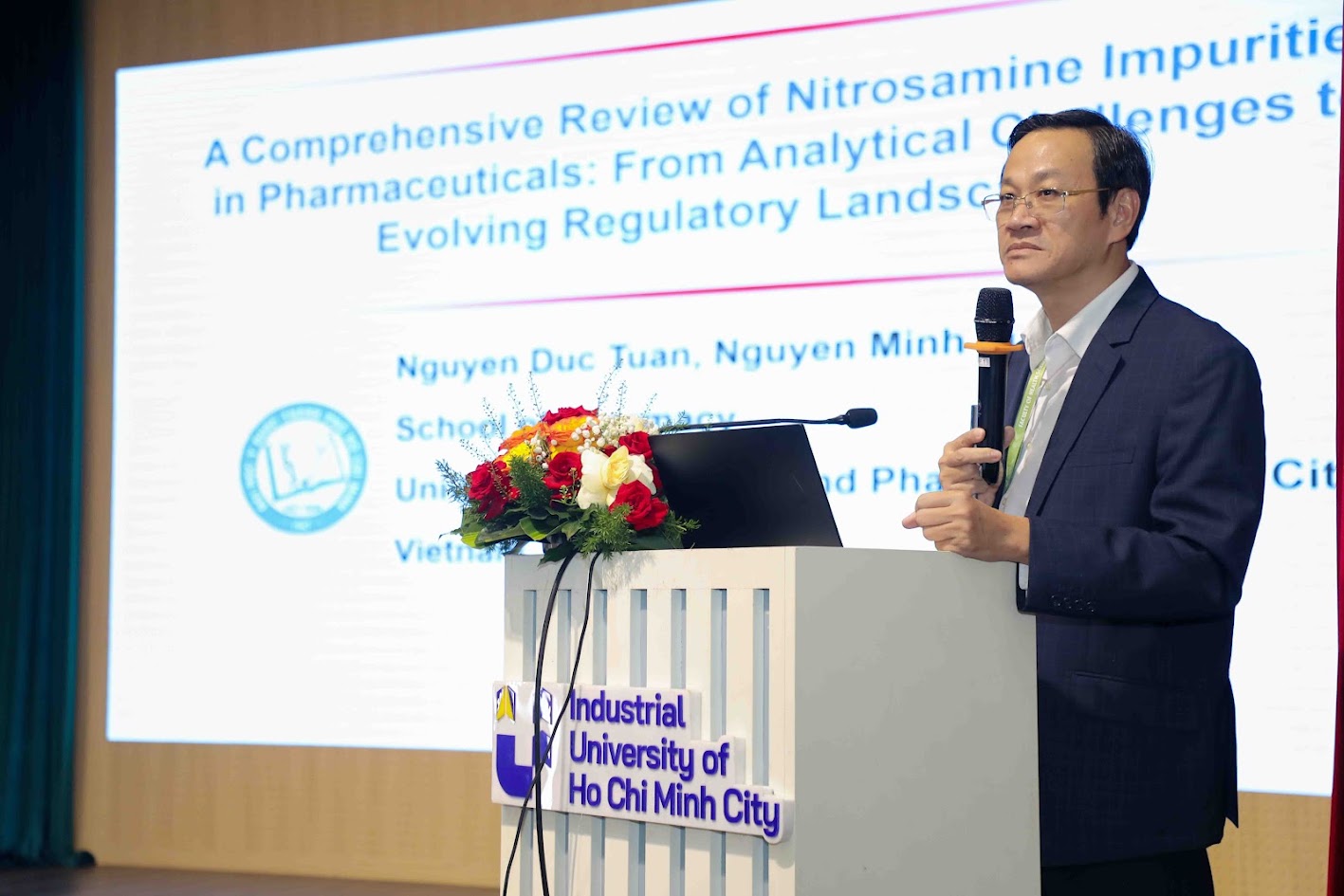
Prof. Dr. Nguyễn Đức Tuấn from the School of Pharmacy, University of Medicine and Pharmacy at Ho Chi Minh City, provided an overview of nitrosamine impurities in pharmaceutical products, covering challenges in analytical testing as well as regulatory requirements and highlighting the need for effective risk control and pharmaceutical quality assurance.
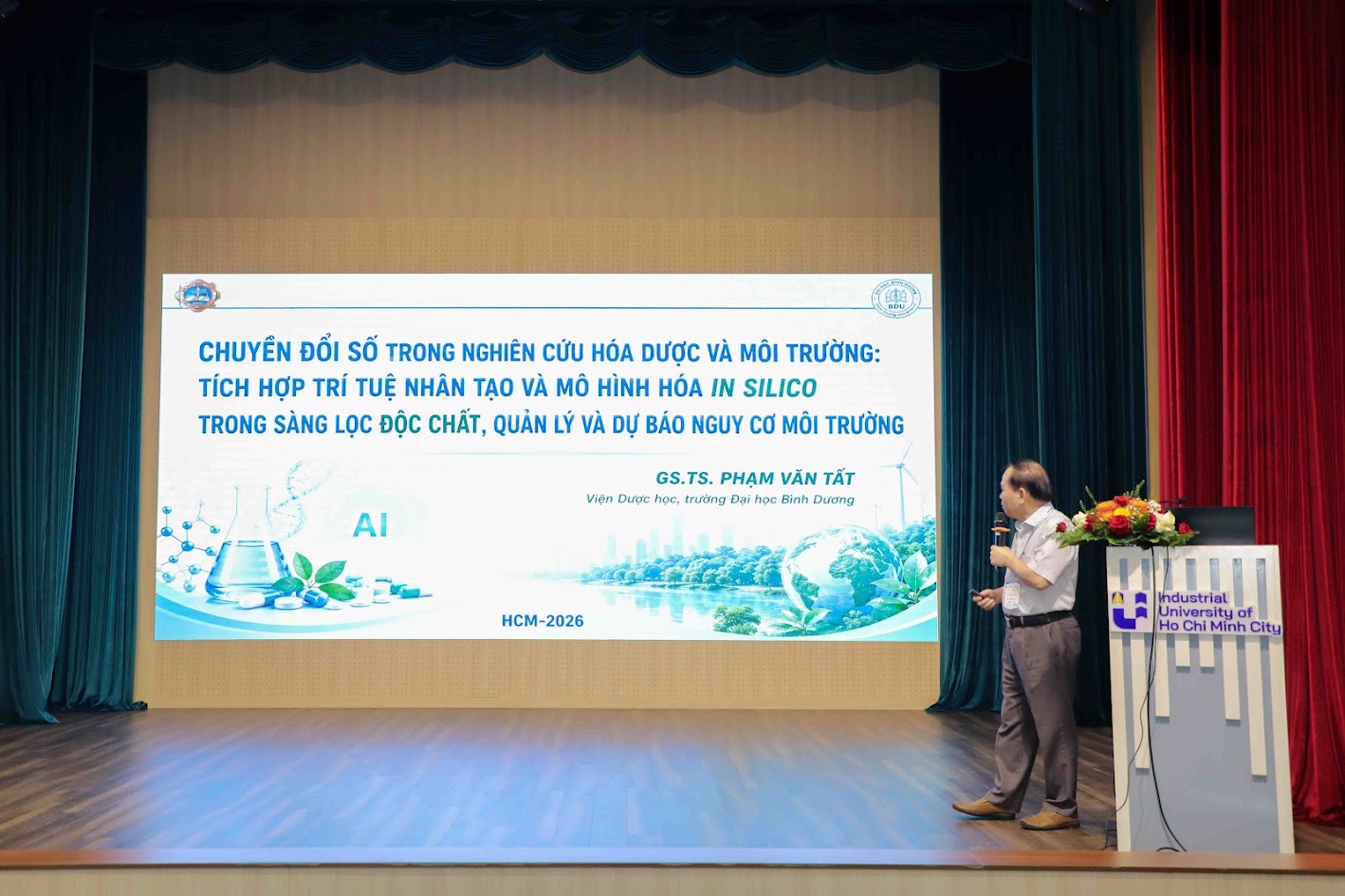
Concluding the plenary session, Prof. Dr. Phạm Văn Tất from Binh Duong University presented on digital transformation in medicinal chemistry and environmental research, focusing on applying artificial intelligence and in silico modeling to toxicant screening, management, and environmental toxicity prediction.
In the afternoon, the conference continued with three specialized sessions covering the synthesis and design of biologically active compounds; medicinal plant chemistry and natural compounds; and pharmaceutical formulation, analysis, testing, and quality control.
Research presented during these sessions covered a broad range of topics, from developing inhibitors for research into cancer and Alzheimer's disease treatments to exploring natural compounds and studying anti-osteoporosis and antiviral activities. The sessions also provided updates on methods for tracing the origins of medicinal materials, analyzing their composition, and controlling quality.
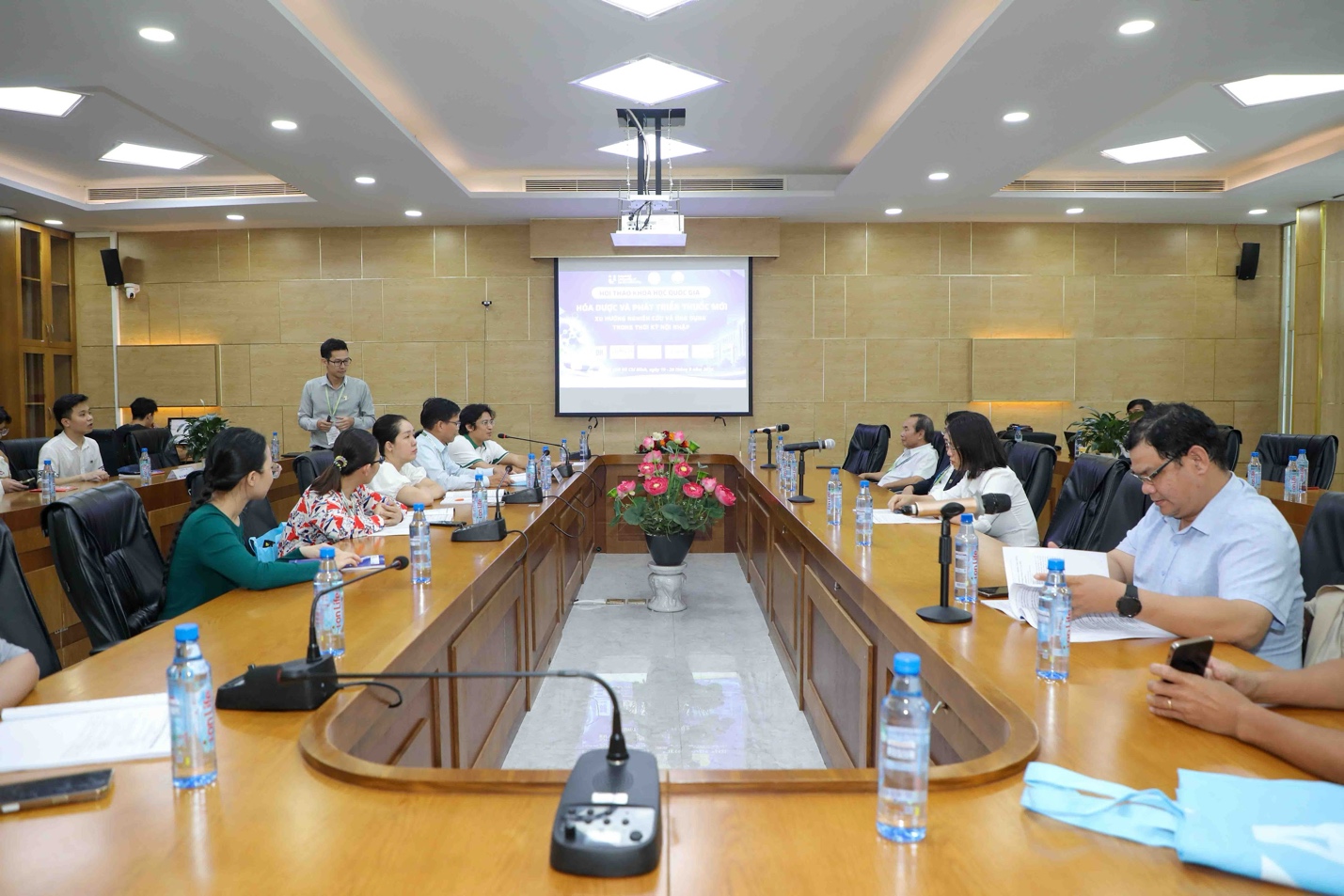
The poster area showcased 65 research projects, giving scientists, lecturers, doctoral candidates, students, and industry representatives opportunities to exchange ideas directly on research methods, findings, and potential collaboration.
Through presentations, discussions, and poster sessions, the conference shared updates on a wide range of research findings in medicinal chemistry and new drug development while highlighting growing connections among chemistry, pharmacy, biology, technology, medicine, and data science. The event also created further opportunities for universities, research institutes, and businesses to strengthen collaboration in postgraduate education, scientific research, technology transfer, and product development.
Additional highlights from the conference: