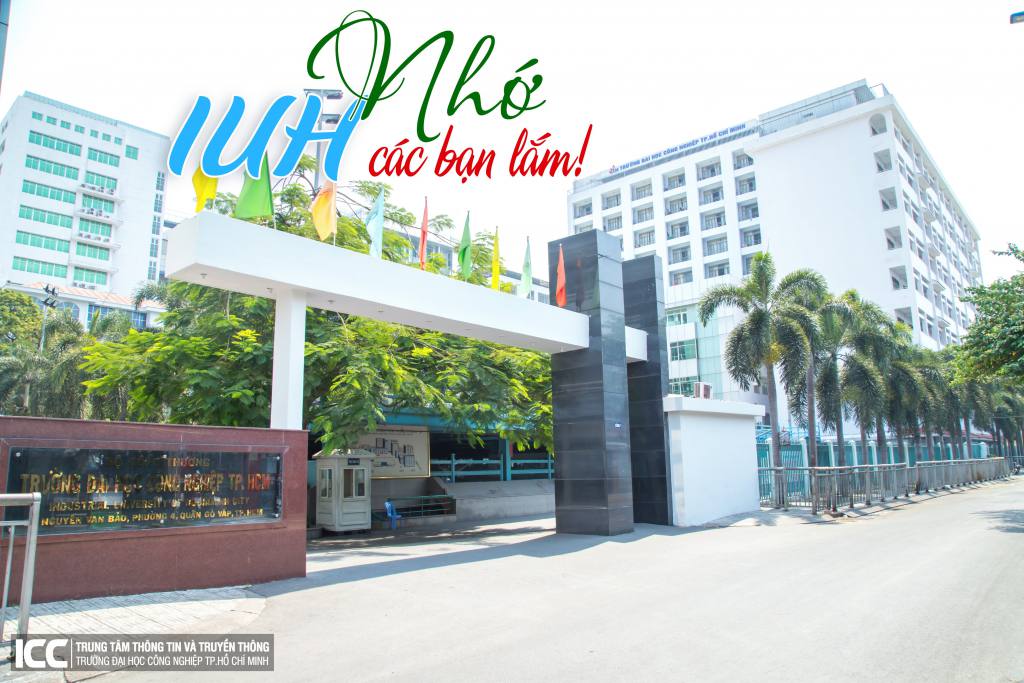

Nutrition is shifting from daily meals to a central role in community healthcare. At the Industrial University of Ho Chi Minh City (IUH), this issue is no longer confined to theory; it is now examined in the context of education, research, and increasingly urgent social needs.
On the afternoon of March 27, at the Industrial University of Ho Chi Minh City, the seminar “Academic Exchange with Experts, 3rd Edition” with the theme “Development Trends in Nutrition and Food Science for Community Health Care” attracted many lecturers, researchers, and students.
On the afternoon of March 27, at the Industrial University of Ho Chi Minh City, the seminar “Academic Exchange with Experts, 3rd Edition” with the theme “Development Trends in Nutrition and Food Science for Community Health Care” attracted many lecturers, researchers, and students.
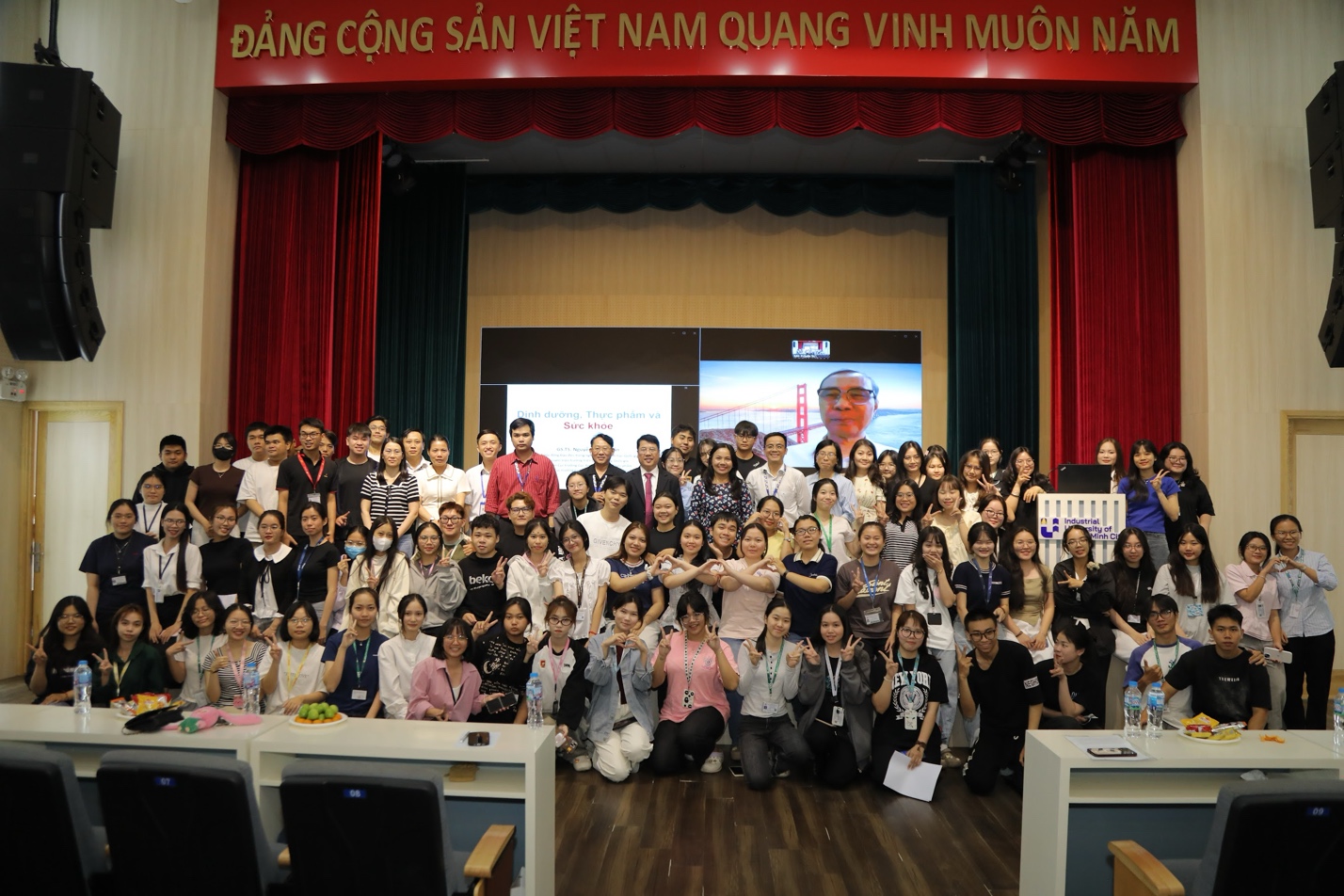
The seminar attracted many lecturers, researchers, and students.
In his opening remarks, Prof. Dr. Tran Dinh Thang, Dean of the Faculty of Health Sciences, IUH, emphasized that nutrition and food science are becoming essential foundations of the modern healthcare system. According to him, the faculty’s education and research orientation must be closely linked to practical needs, meeting social demands, and the trend of international integration.
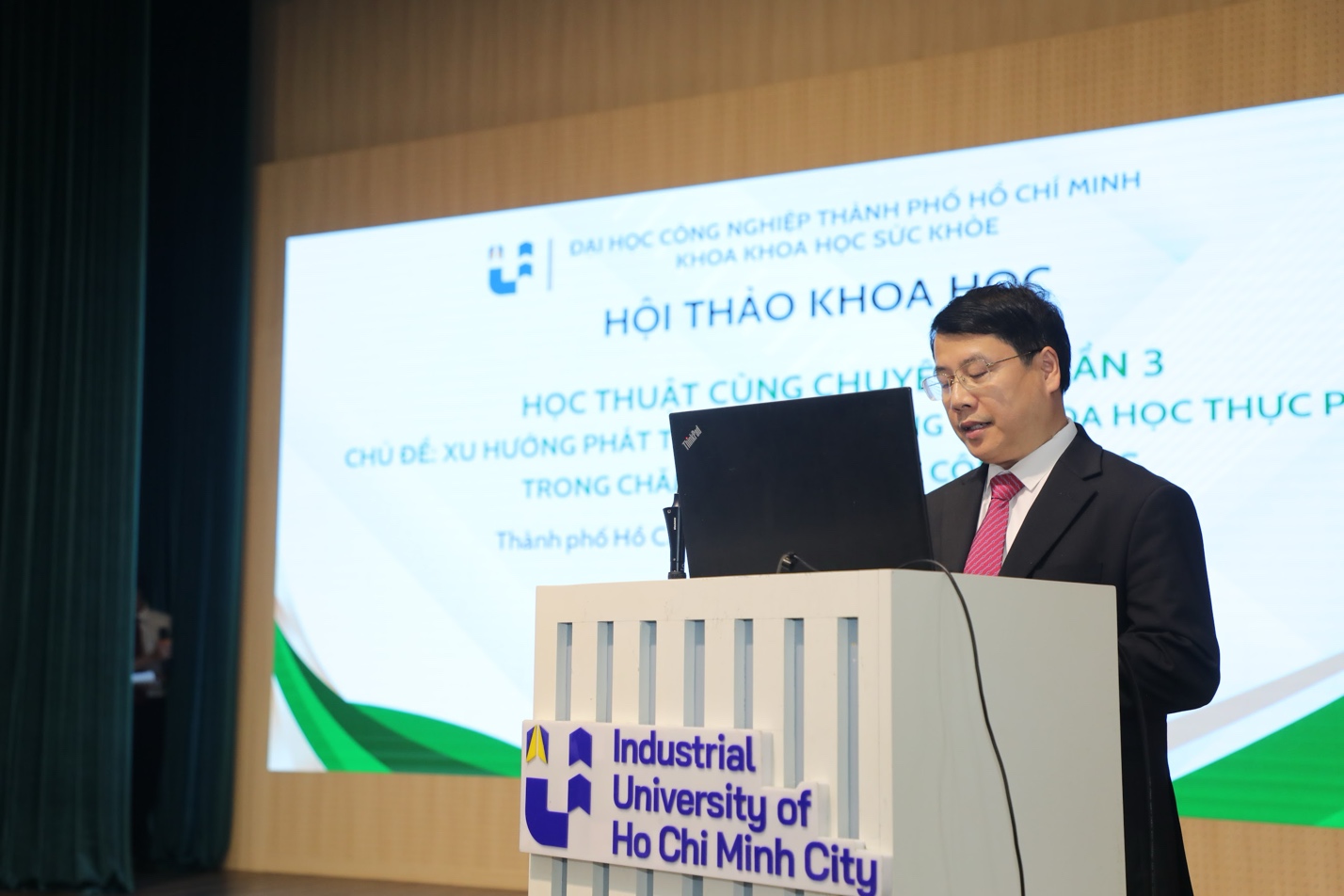
Prof. Dr. Tran Dinh Thang, Dean of the Faculty of Health Sciences, IUH, speaking at the seminar
One of the notable presentations came from Prof. Dr. Nguyen Cong Khan, Vice Chairman of the National Ethics Committee in Biomedical Research under the Ministry of Health, former Director of the National Institute of Nutrition, and former Director General of the Food Safety Department. He outlined Vietnam’s nutrition sector's development journey, from anti-malnutrition programs to expansion into clinical and community nutrition. According to him: “Although the demand for healthcare is increasing, the sector still faces many challenges in human resources, awareness, and policy mechanisms. Compared to the world, Vietnam still has a gap in education and practice, creating an urgent need for high-quality human resources.”
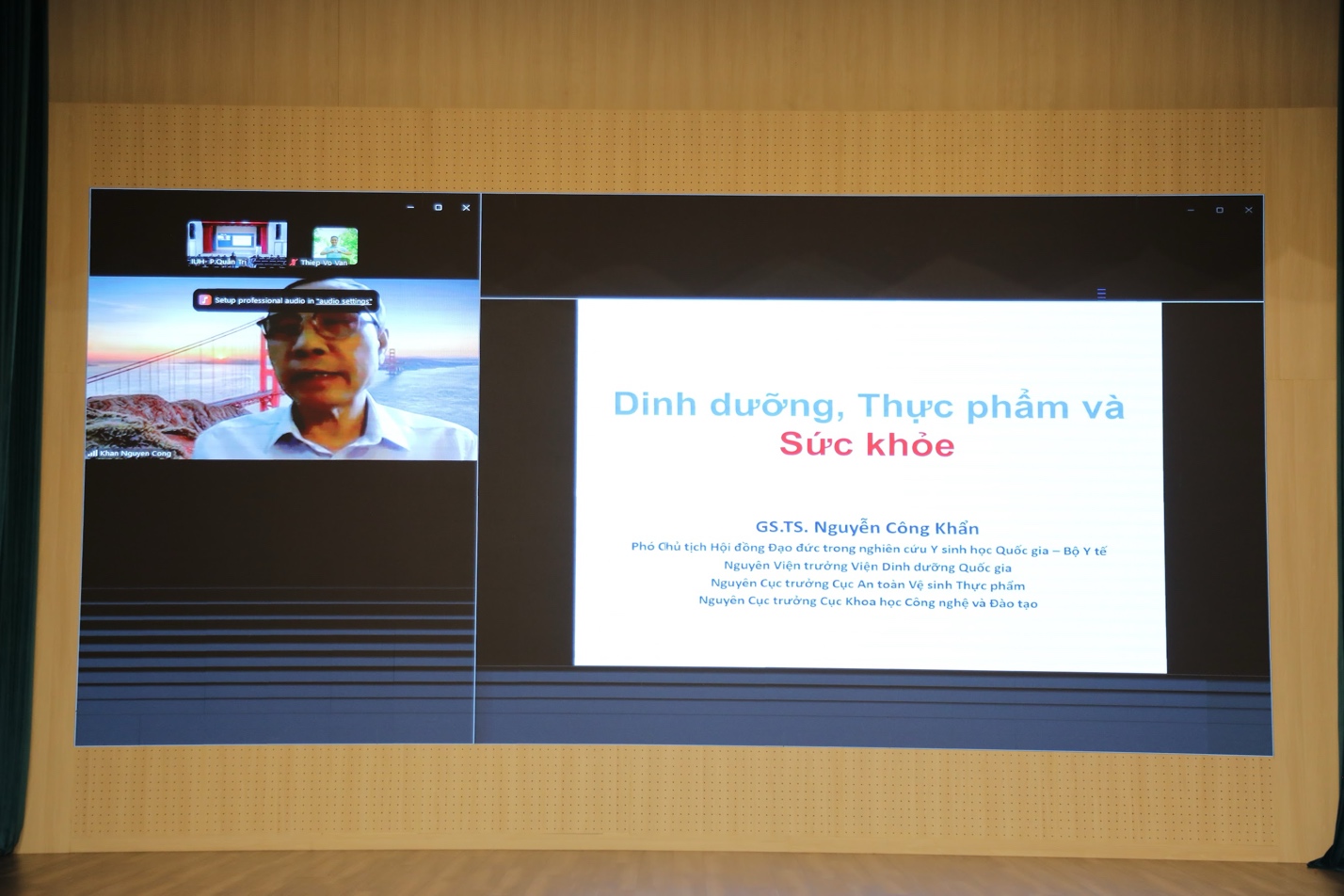
Prof. Dr. Nguyen Cong Khan, a leading expert in nutrition, joined the seminar online.
From an educational perspective, Assoc. Prof. Dr. Nguyen Thi Minh Nguyet, Vice Dean of the Faculty of Health Sciences, IUH, stated: “The curriculum needs to closely follow the needs of community healthcare and the labor market. This helps students not only acquire knowledge but also proactively shape their career paths in a field that is expanding rapidly.”
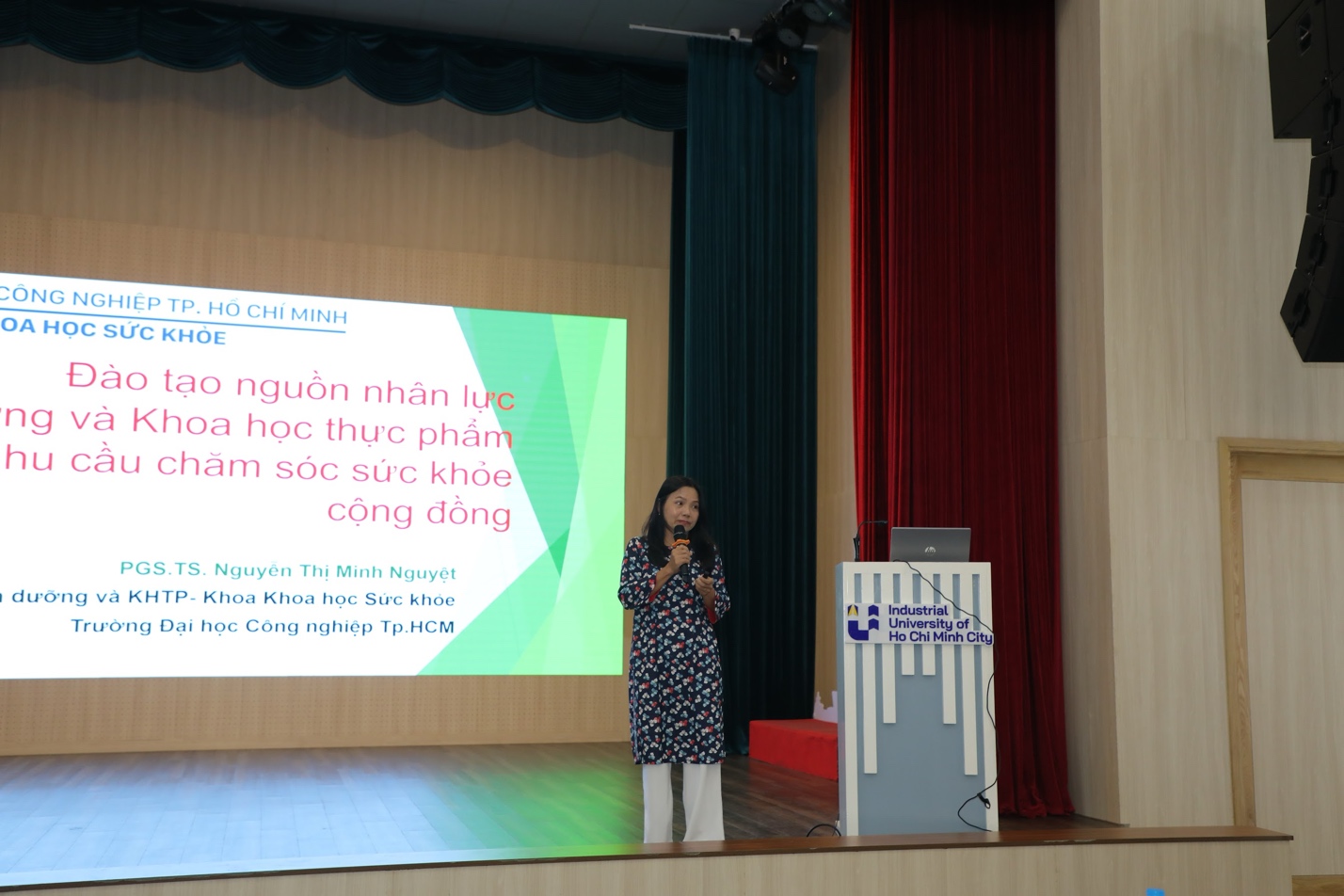
Assoc. Prof. Dr. Nguyen Thi Minh Nguyet, Vice Dean of the Faculty of Health Sciences, IUH, presenting at the seminar
Providing a practical perspective, Dr. Tran Ngoc Buu, lecturer of the Faculty of Health Sciences, IUH, focused on nutritional strategies to strengthen immunity and improve community health. His presentation emphasized the role of preventive nutrition, particularly considering the rising prevalence of non-communicable diseases.
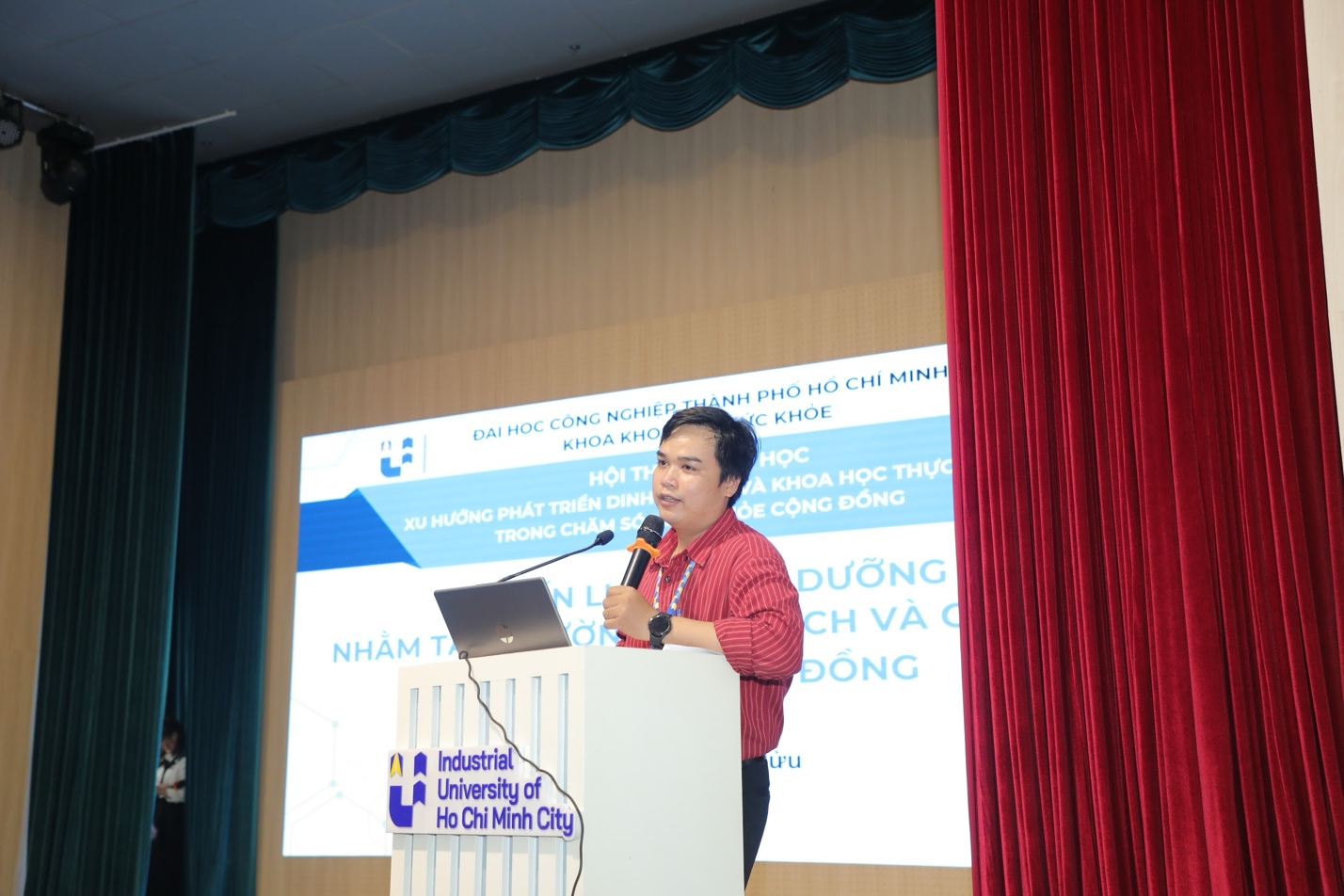
Dr. Tran Ngoc Buu, lecturer of the Faculty of Health Sciences, IUH, emphasized the role of preventive nutrition.
Meanwhile, Dr. Vo Van Thiep, a lecturer at the Faculty of Health Sciences, IUH, shared research on metabolic syndrome, clarifying the role of clinical nutrition in controlling and improving this condition and opening up many potential research directions.
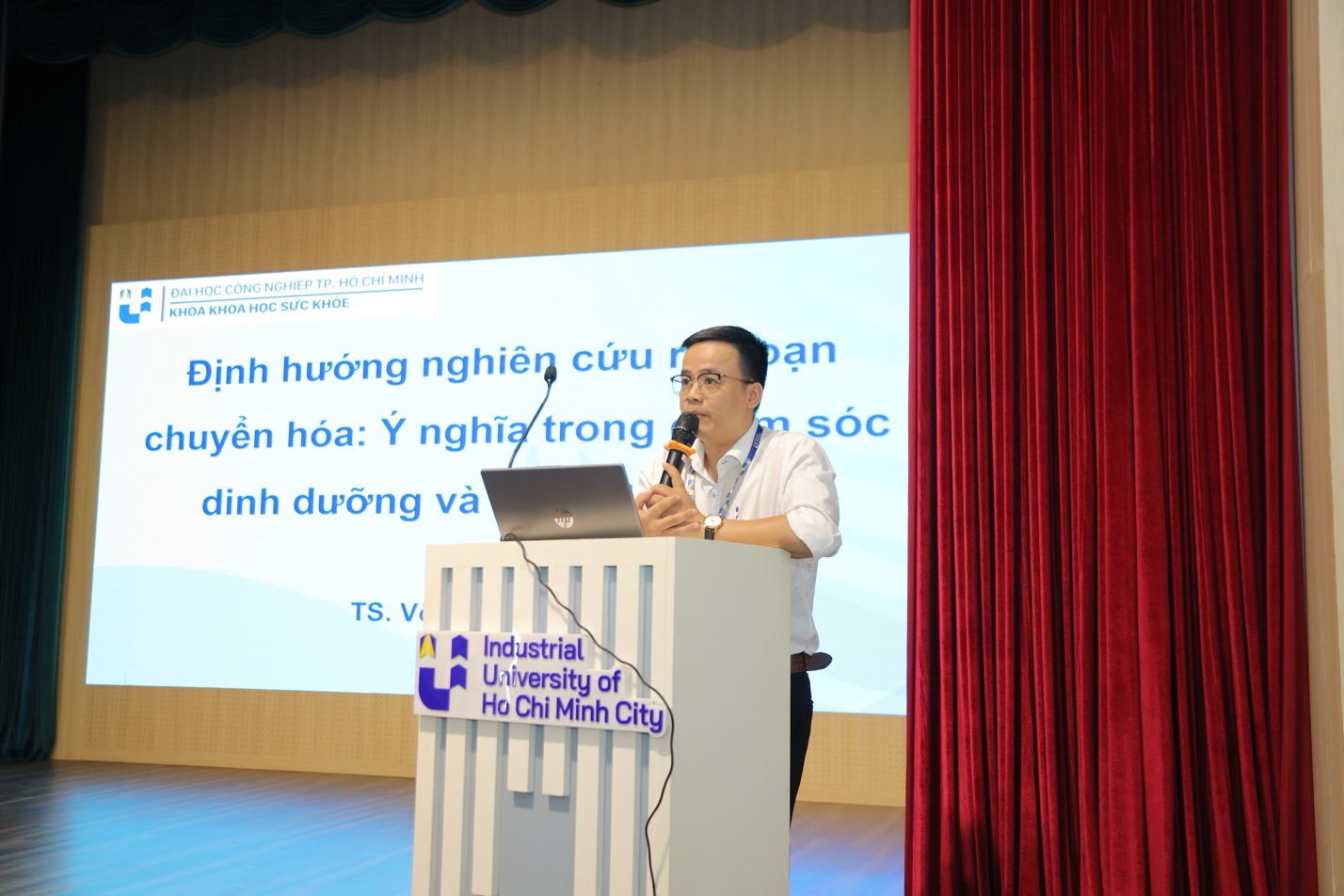
Dr. Vo Van Thiep, lecturer of the Faculty of Health Sciences, IUH, shared research on metabolic syndrome.
The discussion session was lively, with many questions focusing on practical applications, career opportunities, and development directions for the field.
The seminar came to a close, but what remained was not only knowledge but also a clear message: nutrition and food science are moving beyond the academic sphere to become an important link in the strategy for community healthcare, where today’s learners will help shape the field's future.
The seminar came to a close, but what remained was not only knowledge but also a clear message: nutrition and food science are moving beyond the academic sphere to become an important link in the strategy for community healthcare, where today’s learners will help shape the field's future.