
A delegation of 14 IUH students from three faculties joined an academic and cultural exchange at UMPSA with ITS and IUH, aiming to strengthen research collaboration and broaden learning in an international ASEAN setting.
The MOBITECH program, held October 27–31, 2025, featured a Non-Destructive Testing (NDT) course and included CSR, academic exchanges, research discussions, and knowledge-sharing sessions.
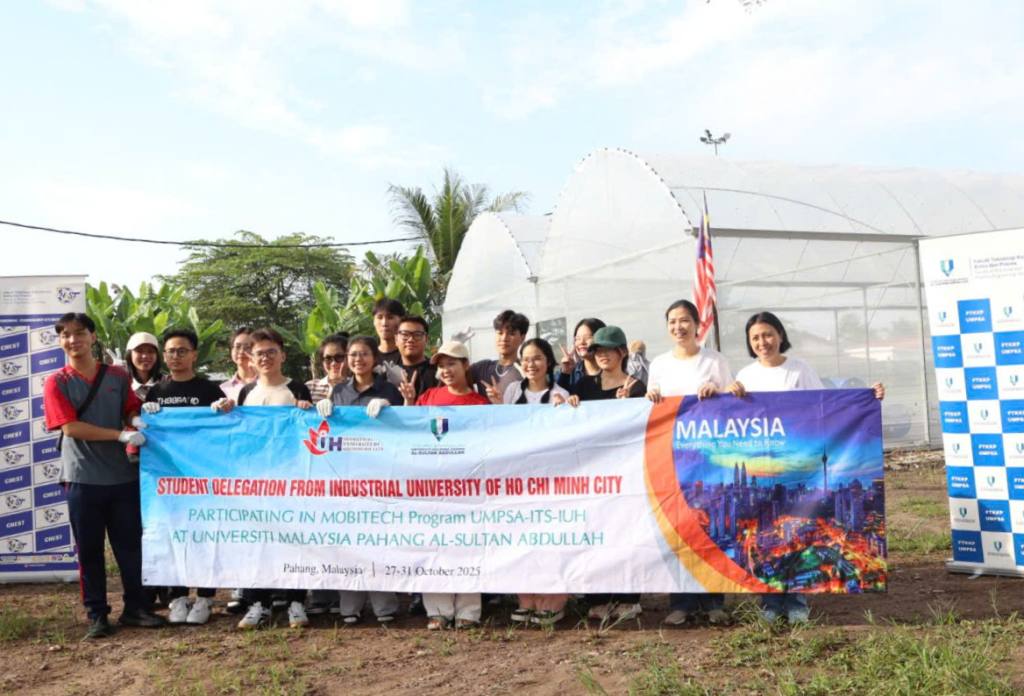
Đoàn IUH - ITS tham dự chương trình MOBITECH tại UMPSA, Malaysia
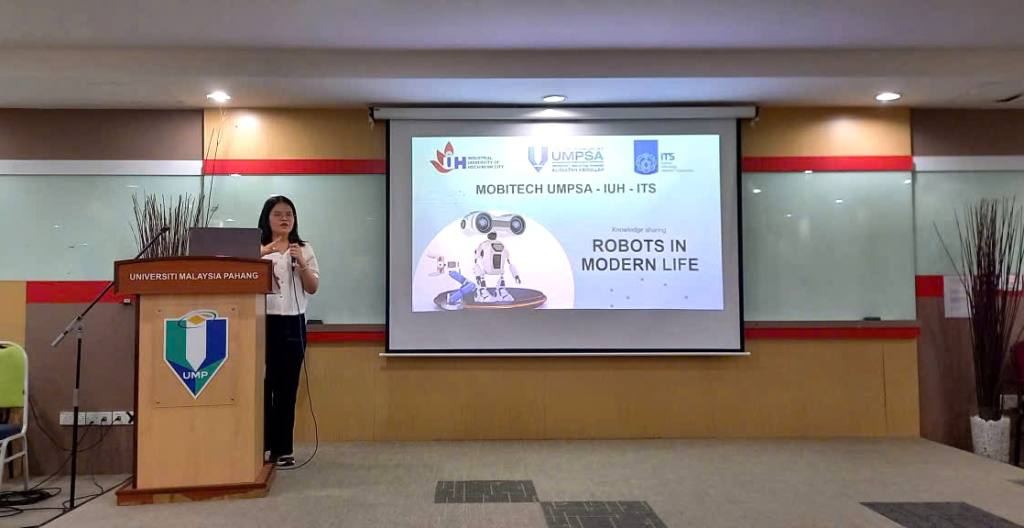
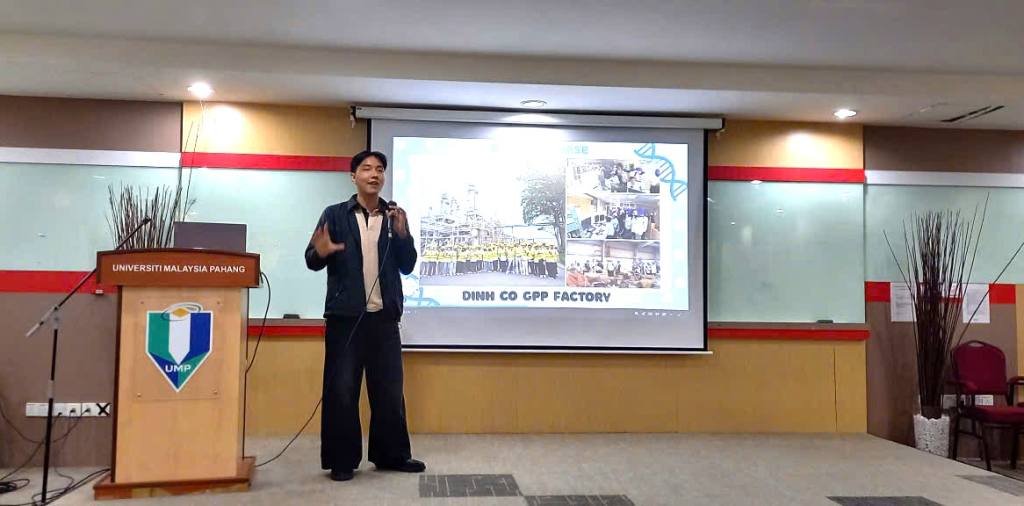
Students Nguyen Ngoc Yen Thanh and Le Trung Hung presented the topics “Robots in Everyday Life” and “The Journey of Exploring Chemical Engineering Technology” in the Knowledge Sharing session.
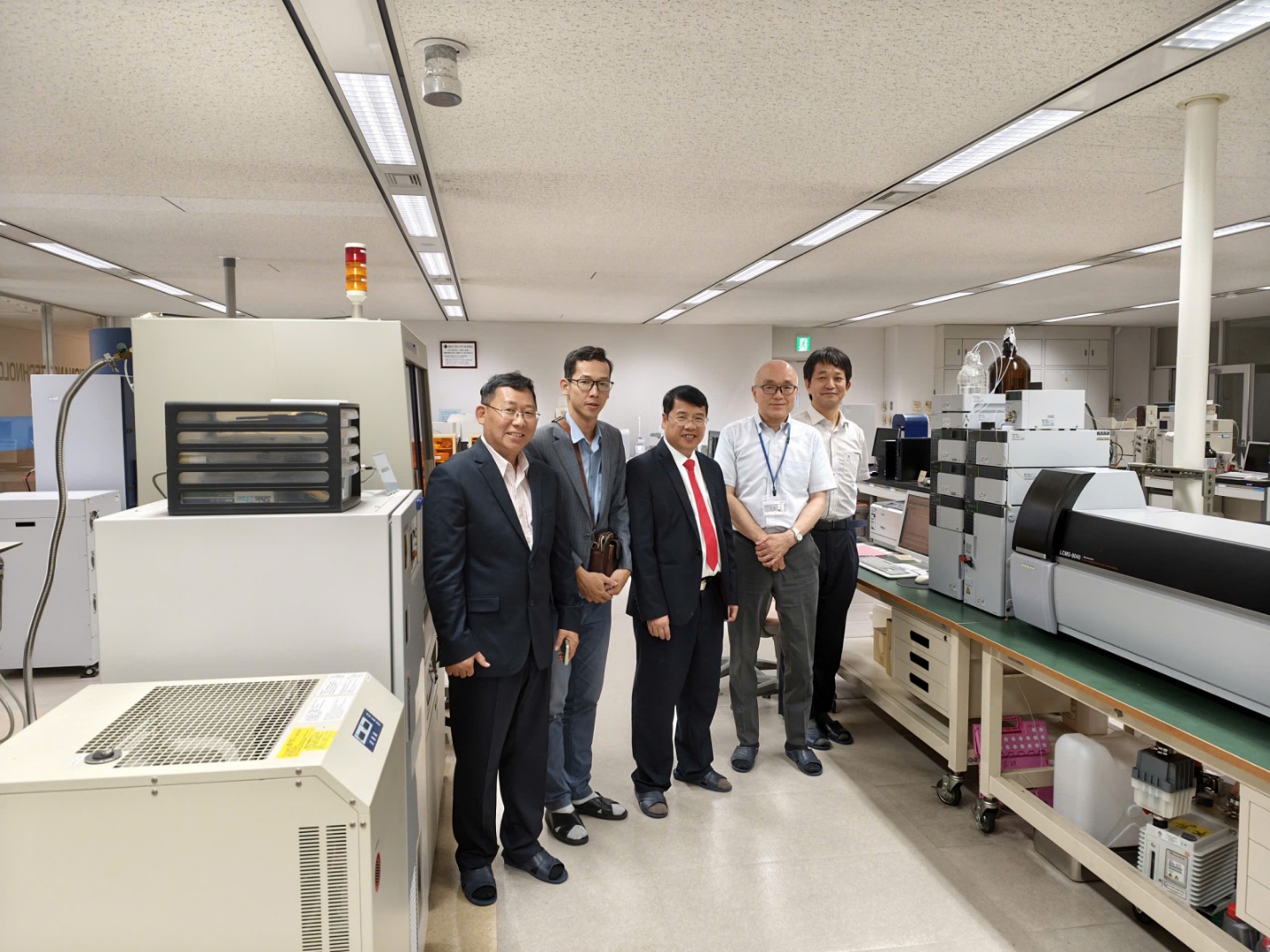
A highlight was visiting UMPSA's laboratories and faculties, where IUH students observed modern equipment, joined research demonstrations, and exchanged knowledge with local peers and lecturers. They gained hands-on experience, learned innovative teaching methods, and saw practical applications in industry.
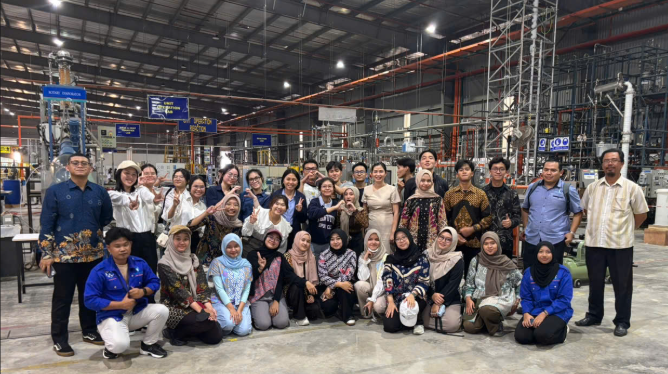
The IUH – ITS delegation visits the Faculty of Chemical Engineering Technology and Processes at UMPSA
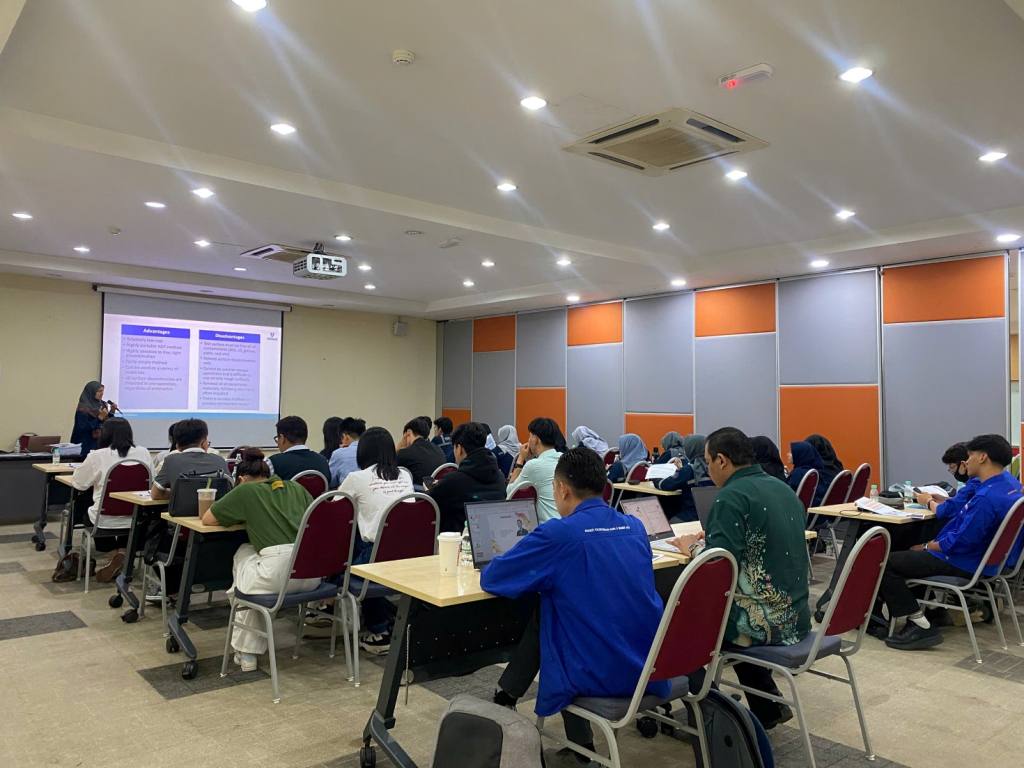
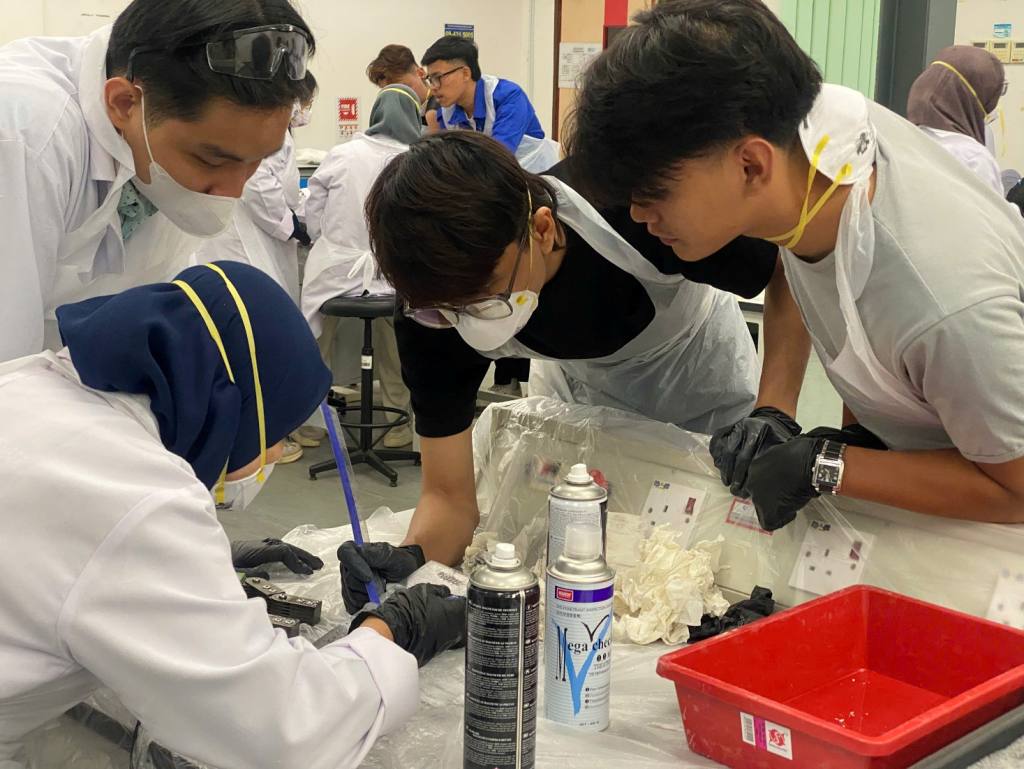
Various activities during the Non-Destructive Testing training program and visits to the Faculty of Chemical Engineering Technology and Processes by IUH – ITS students
Students received specialized NDT training that combined theory and practice. They learned to inspect materials safely, mastered advanced techniques, clarified career paths, and expanded technical knowledge.
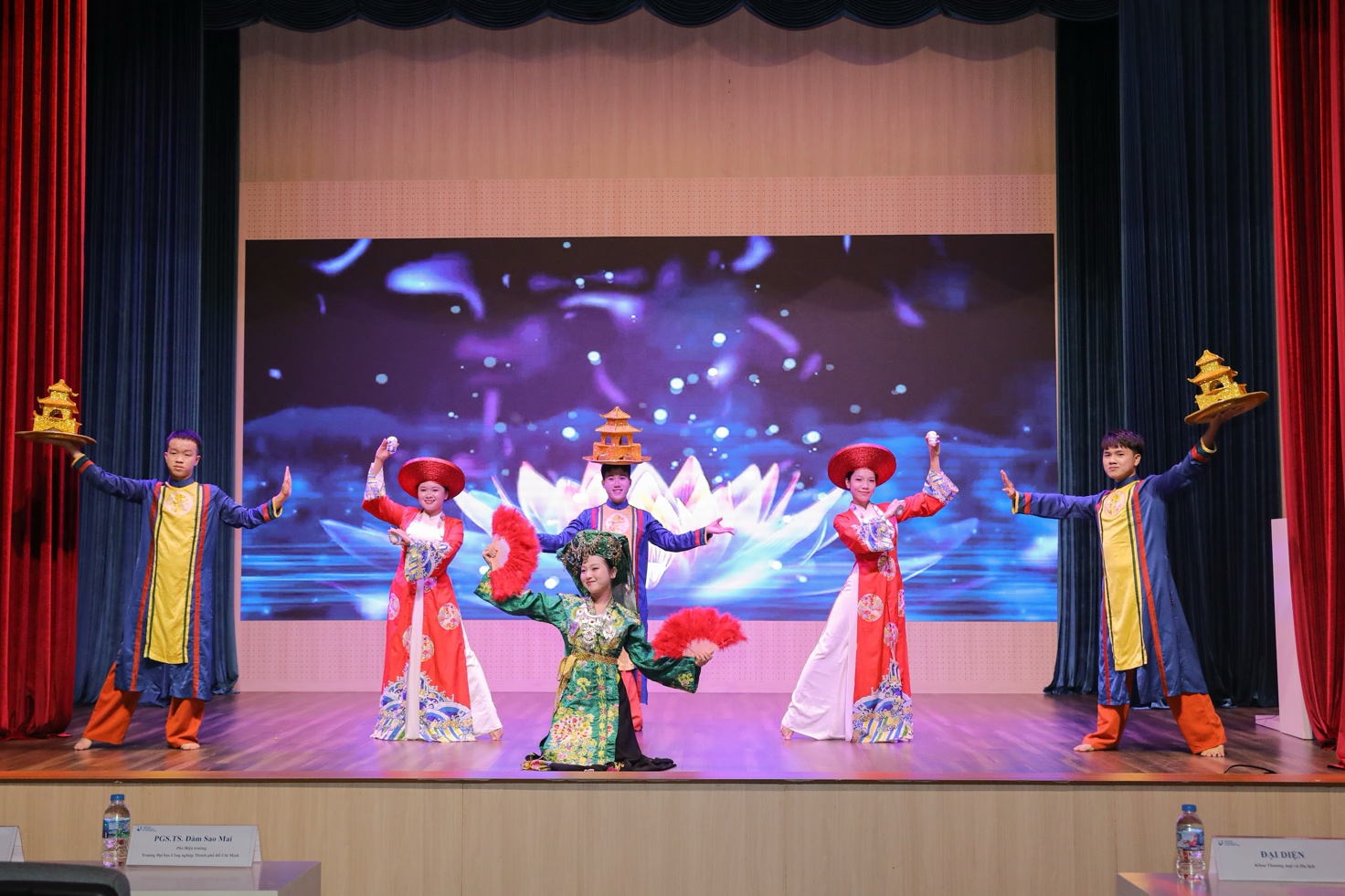
Cultural exchange and community service helped students develop communication, problem-solving, teamwork, and adaptability, supporting holistic growth and stronger regional university bonds.
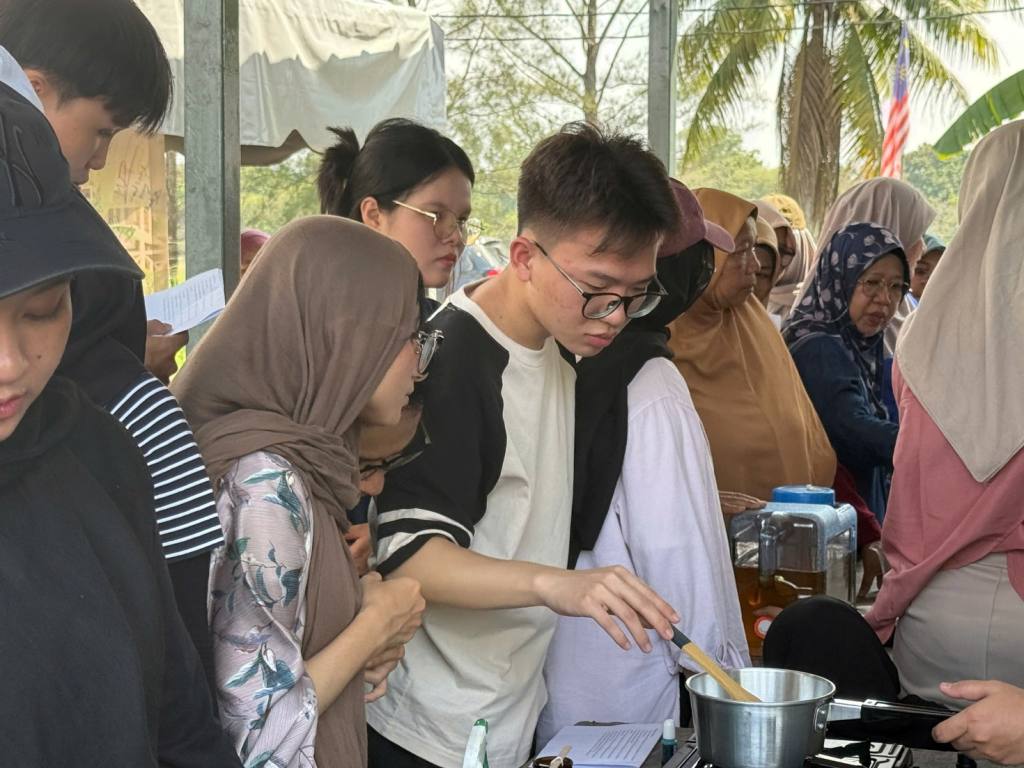
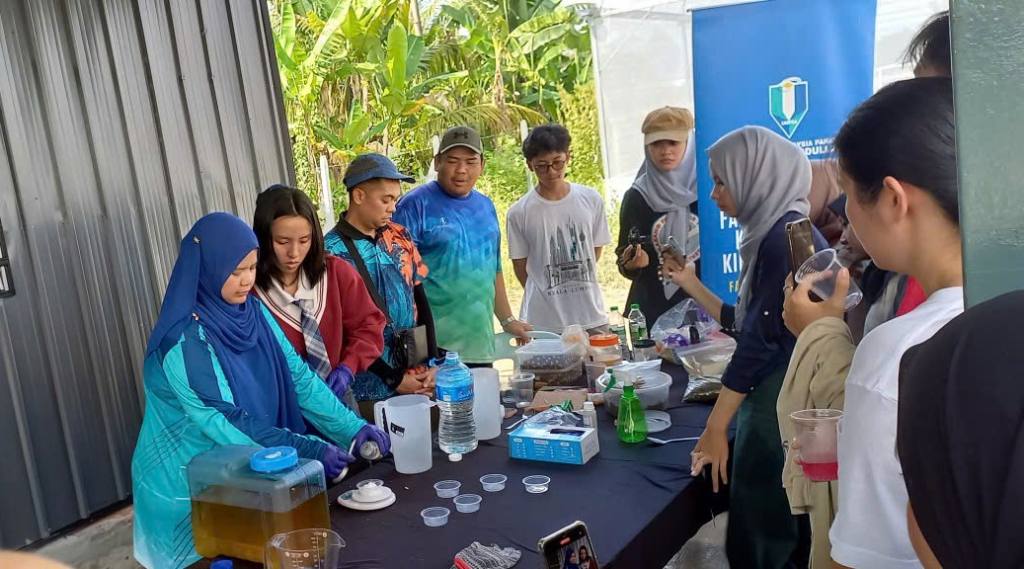
Students participate in cultural exchange and community service activities in rural Malaysia, including clearing grass, caring for banana trees, planting grapes, making organic fertilizer, and producing soap and scented candles alongside residents.

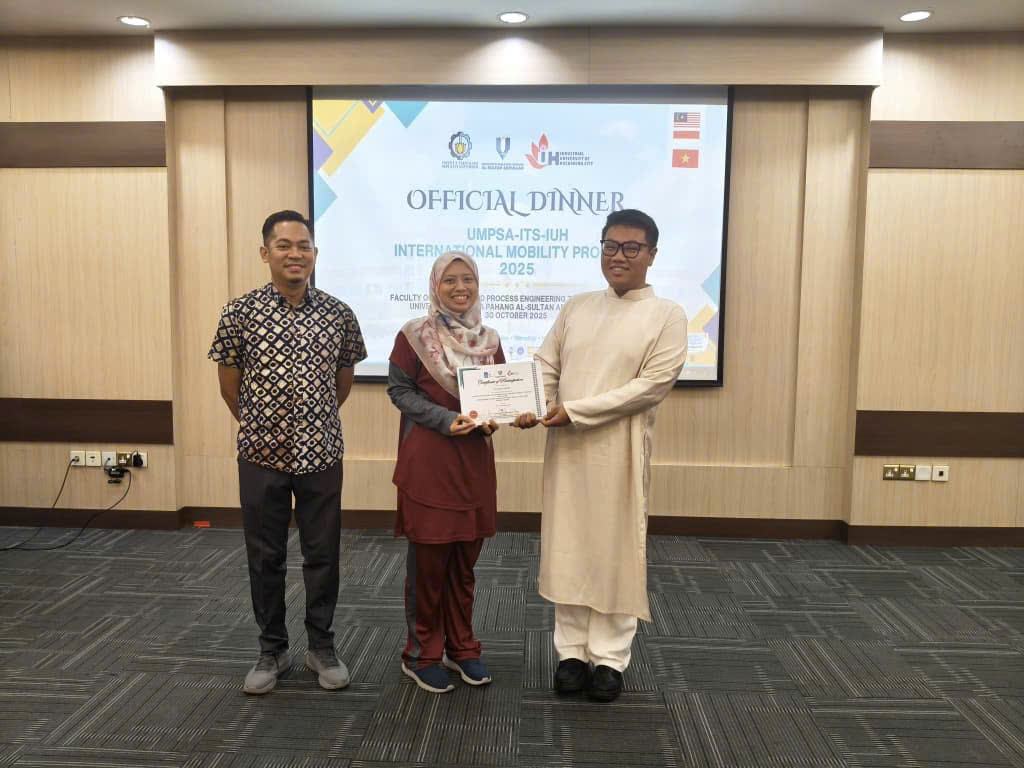
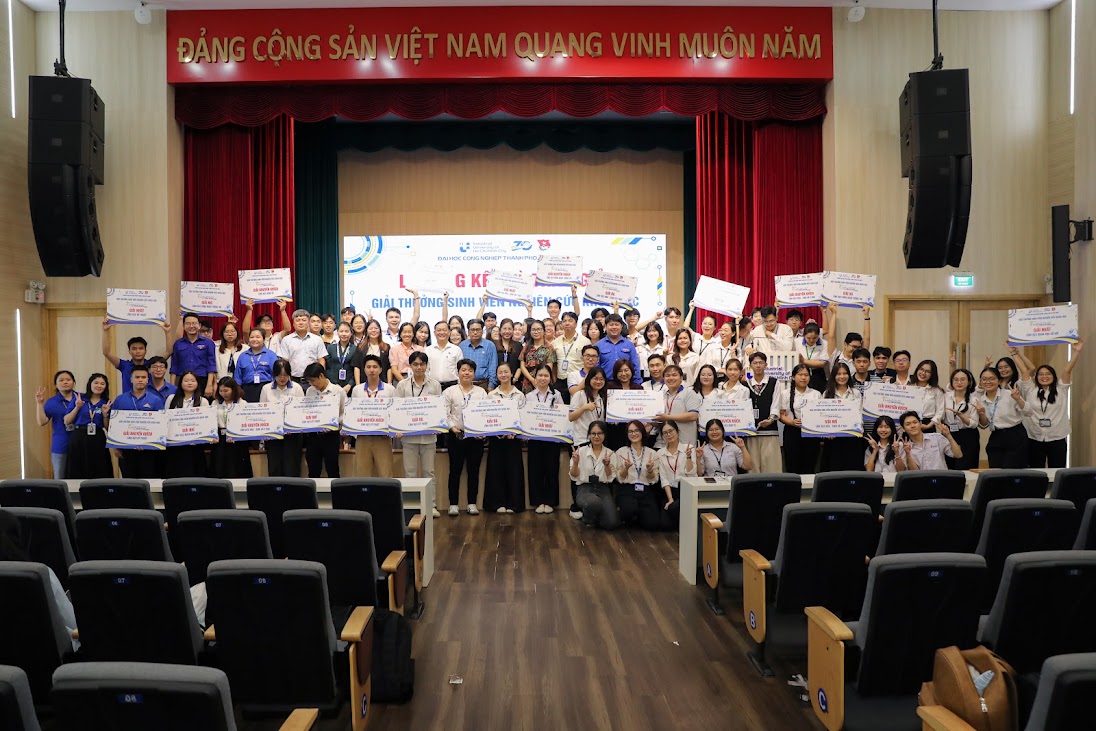
IUH students interact with ITS and UMPSA students and receive certificates of completion at the closing ceremony
The program enabled students to gain technical skills and project experience, facilitated joint research, and supported faculty exchanges. It also strengthened university partnerships and expanded opportunities for international collaboration.